Wholesale Enterprise Hard Drive Supplier
We supply enterprise hard drives in volume across SAS, SATA and nearline configurations. Stock ranges from small capacity pulls through to high capacity nearline drives suited to bulk storage refreshes. Drives are health tested, graded on power on hours and reallocated sectors, and securely wiped before dispatch.
In circulation
Hard Drives makes, models and part numbers.
Enterprise hard drive volume in the secondary market is overwhelmingly 3.5 inch nearline capacity drives from three makers, Seagate Exos, Western Digital Ultrastar and Toshiba MG, because that is what hyperscale and enterprise storage refreshes release in pallet quantities. Underneath that sits a second real market in 2.5 inch mission critical drives at 10K and 15K, which come out of virtualisation and database hosts and almost always arrive in the vendor carriers they were pulled in. A large share of everything in both bands carries an OEM part number and OEM firmware rather than the drive maker's own, which is why Dell, HPE, NetApp, EMC and Lenovo coded drives are a family in their own right rather than a footnote, and why 520 and 528 byte array formatting keeps surfacing on pallets of array pulls.
None of this is a stock list
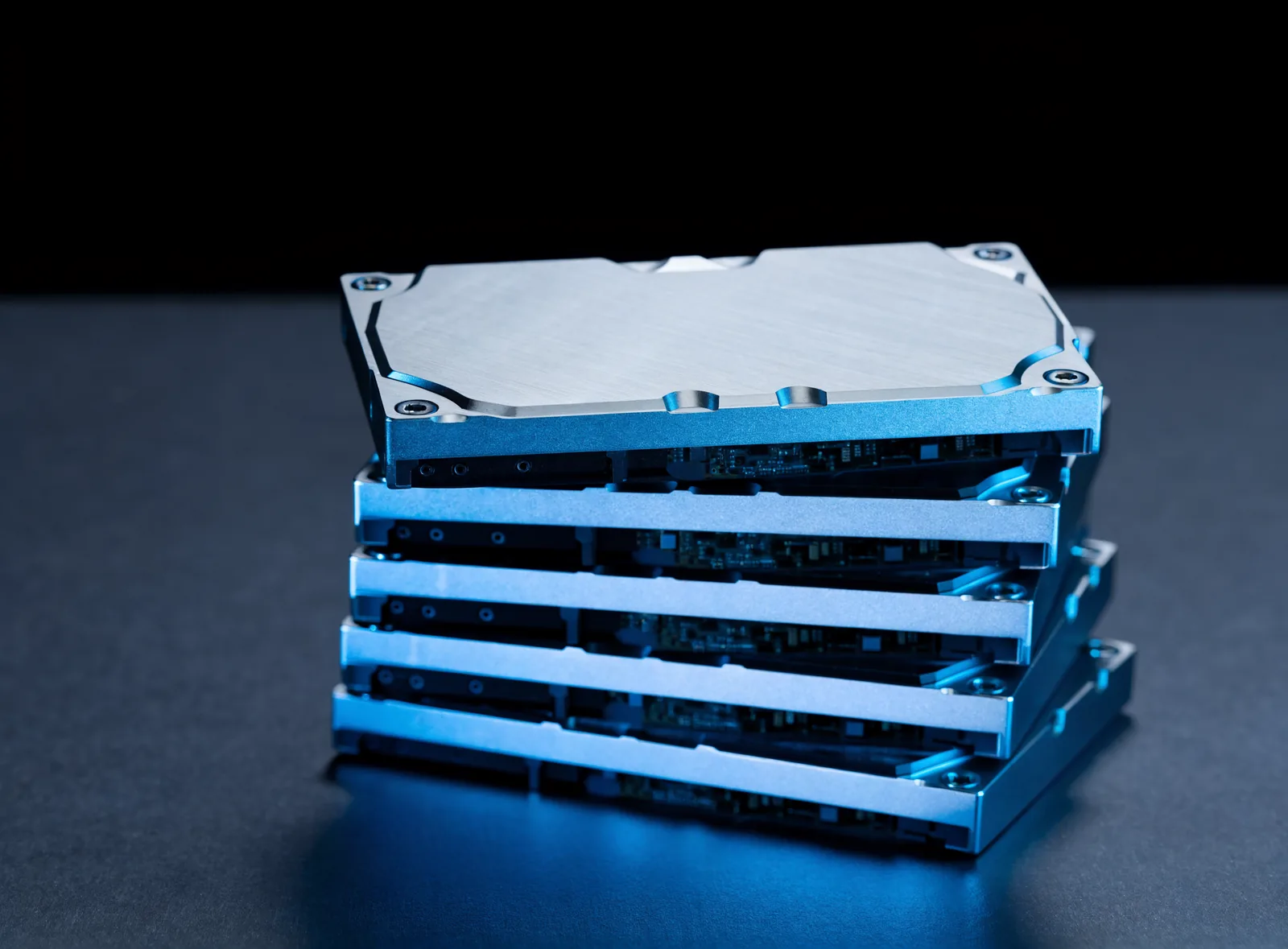
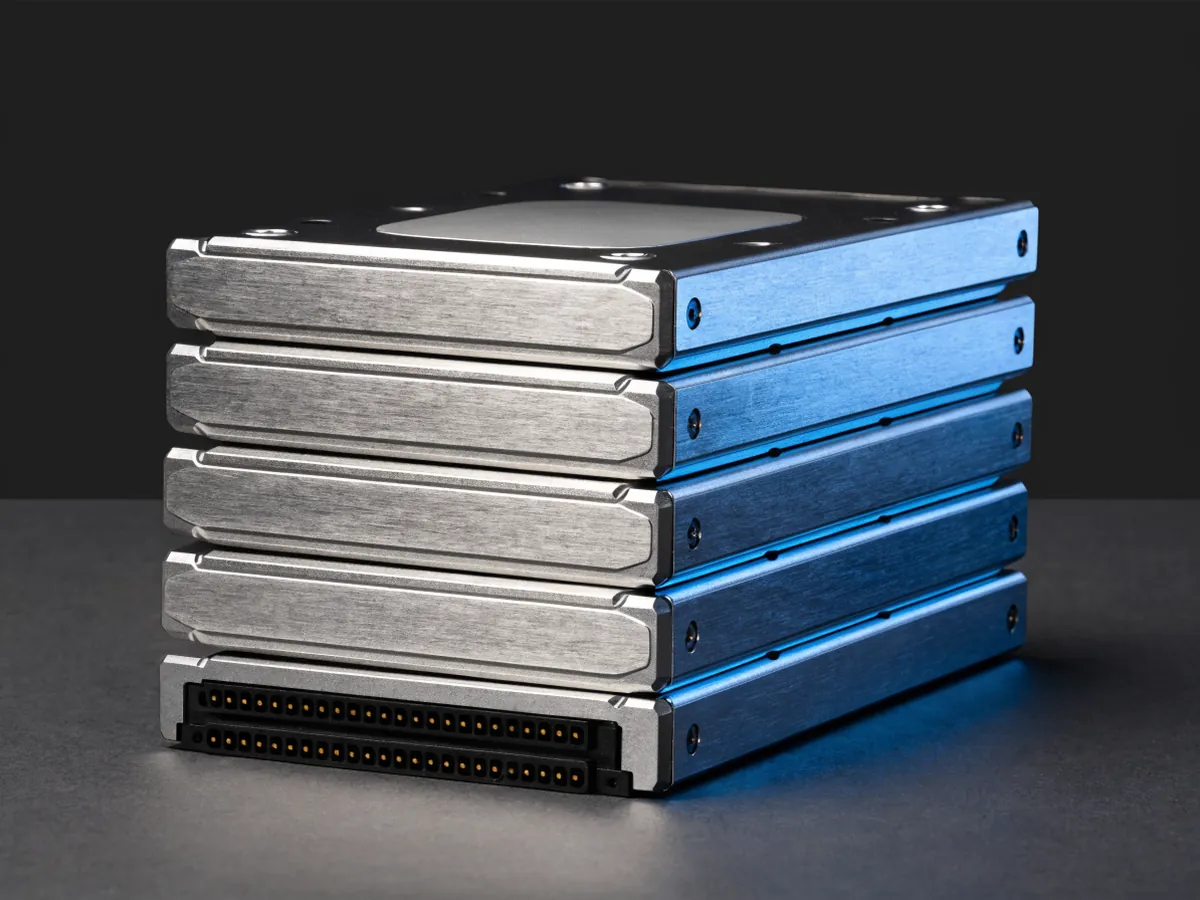
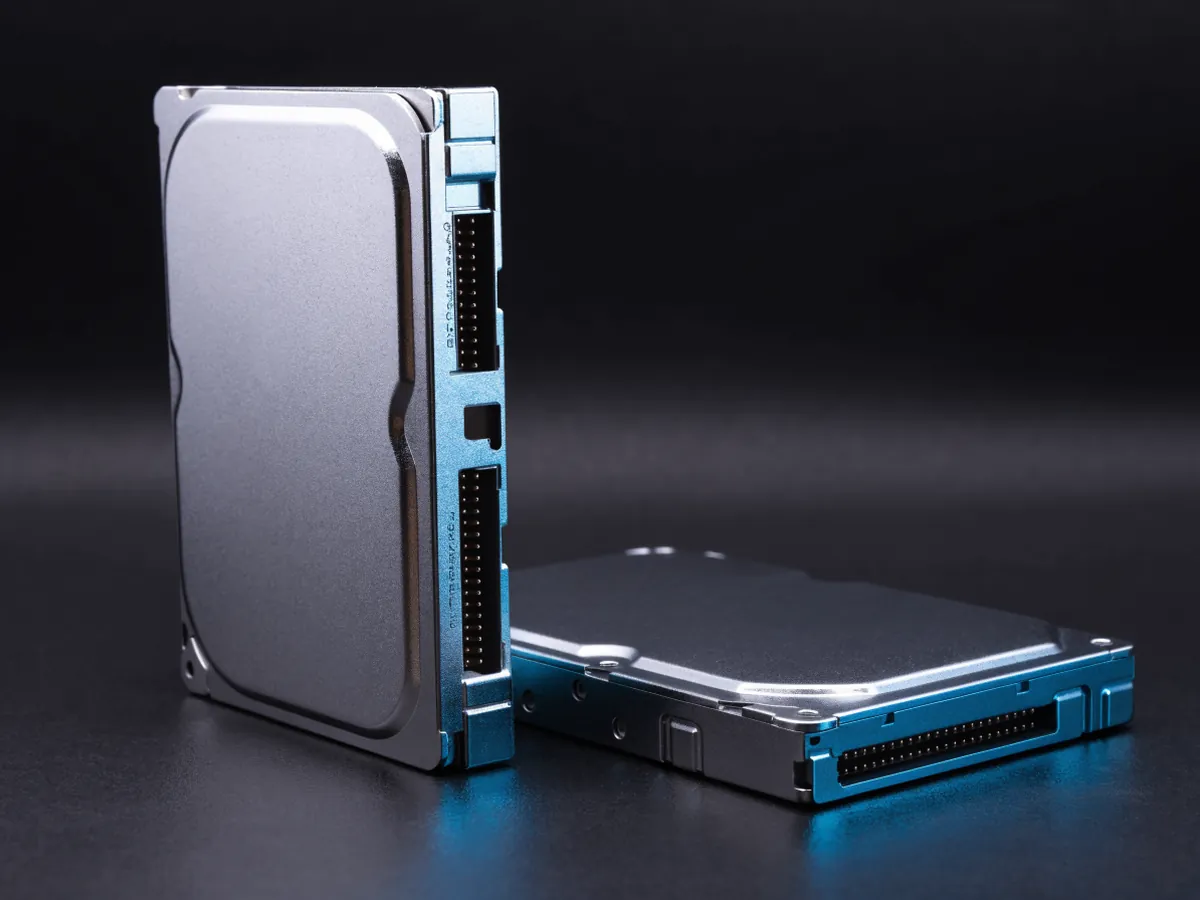
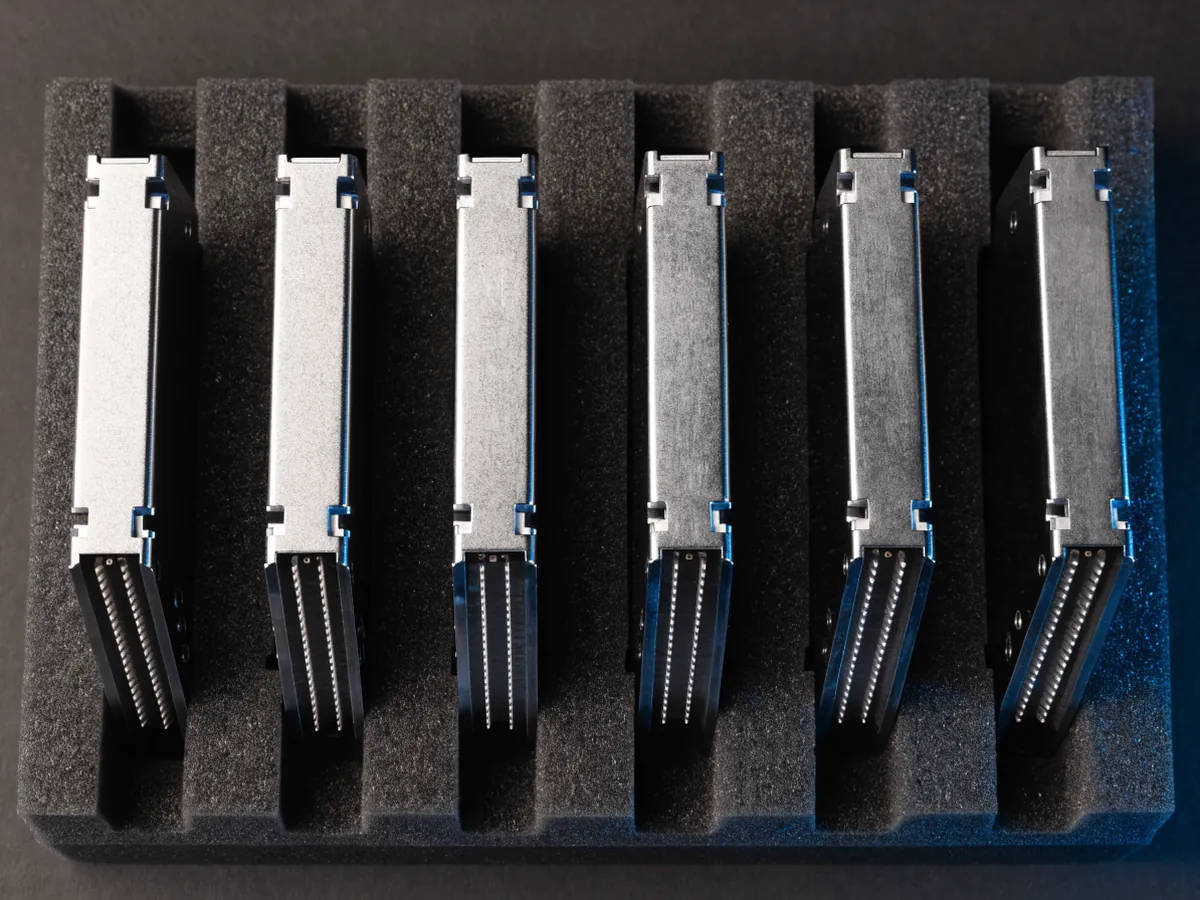
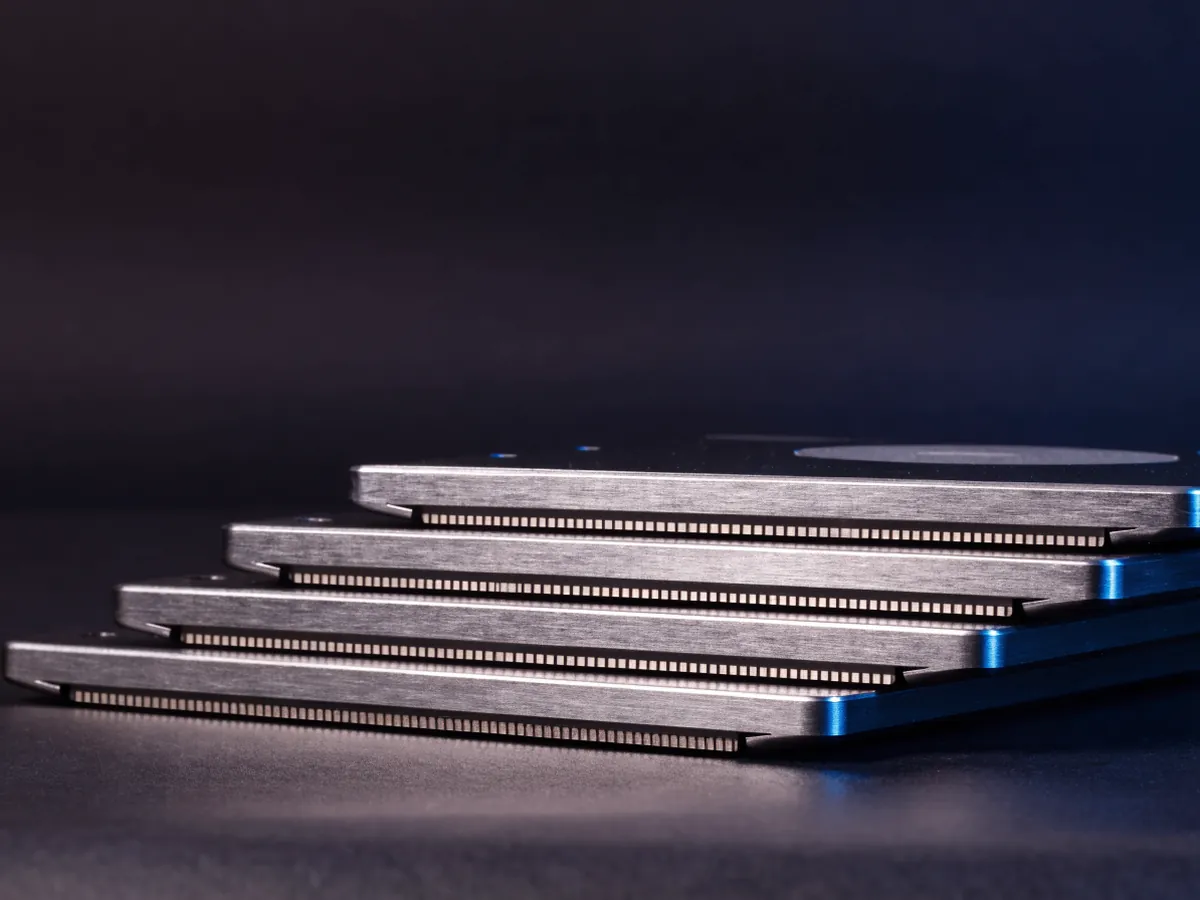
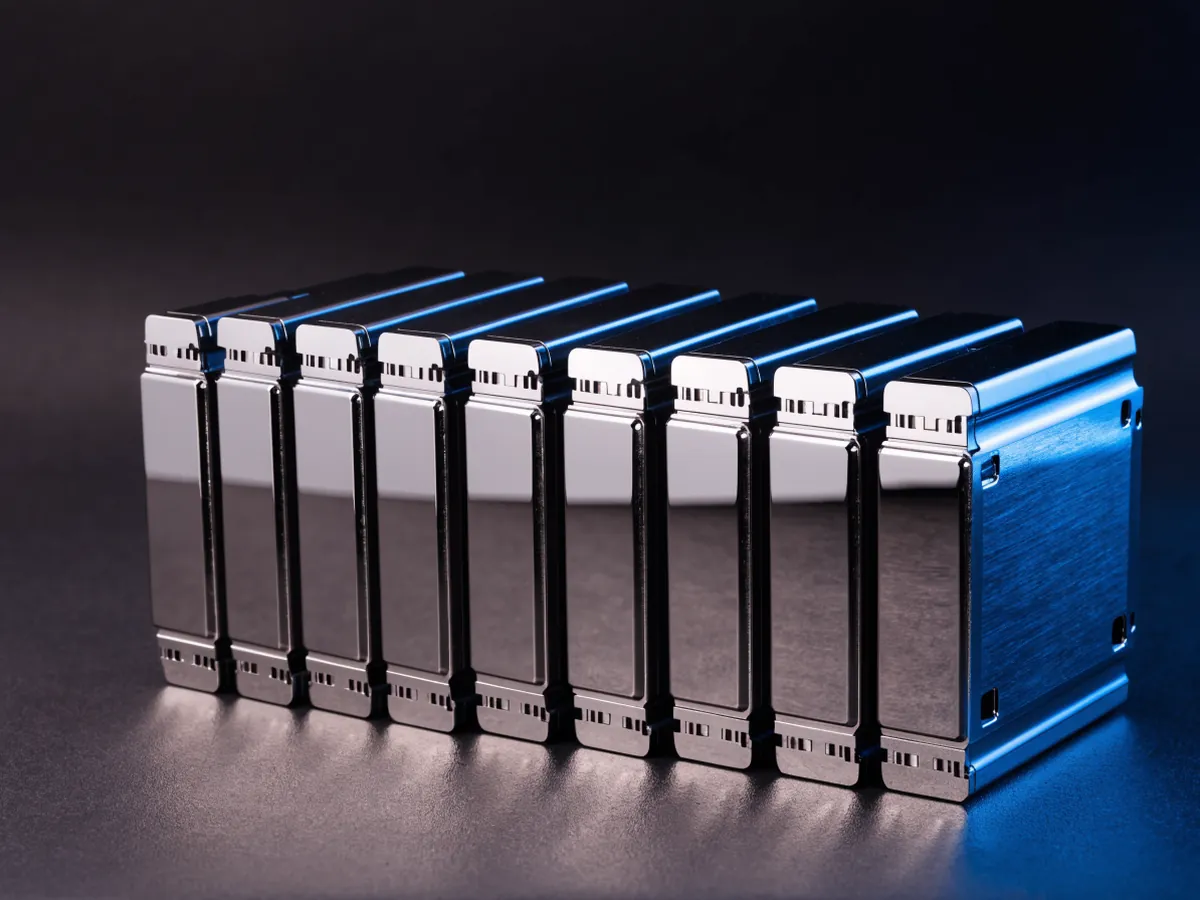
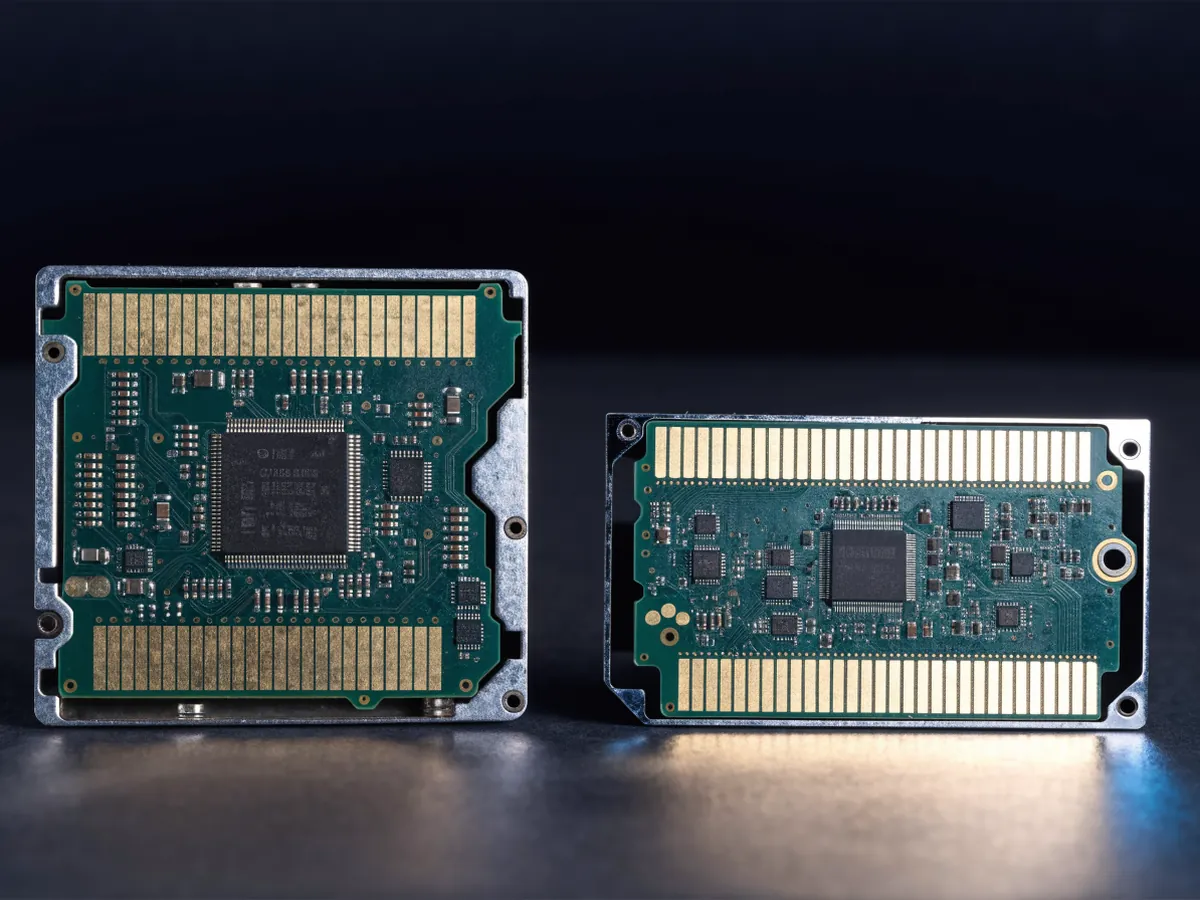
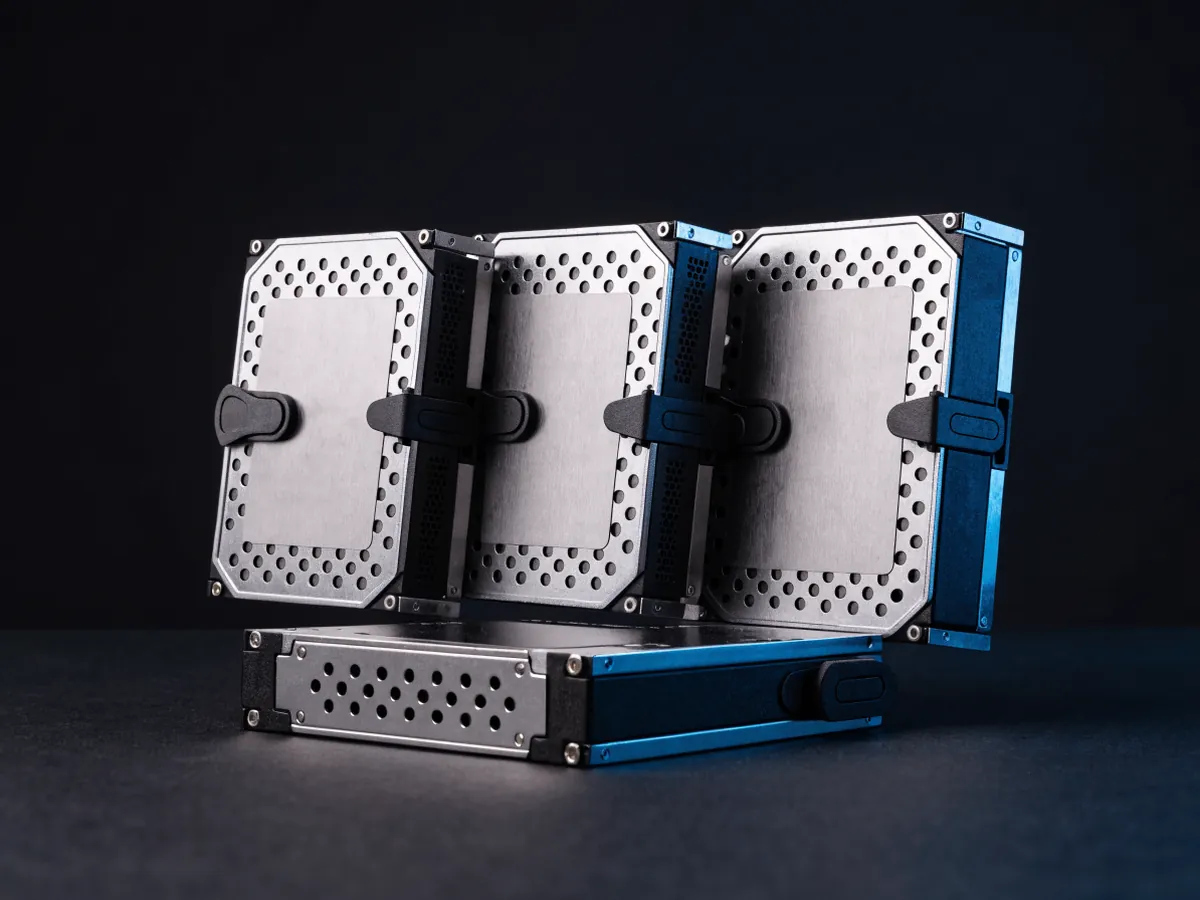
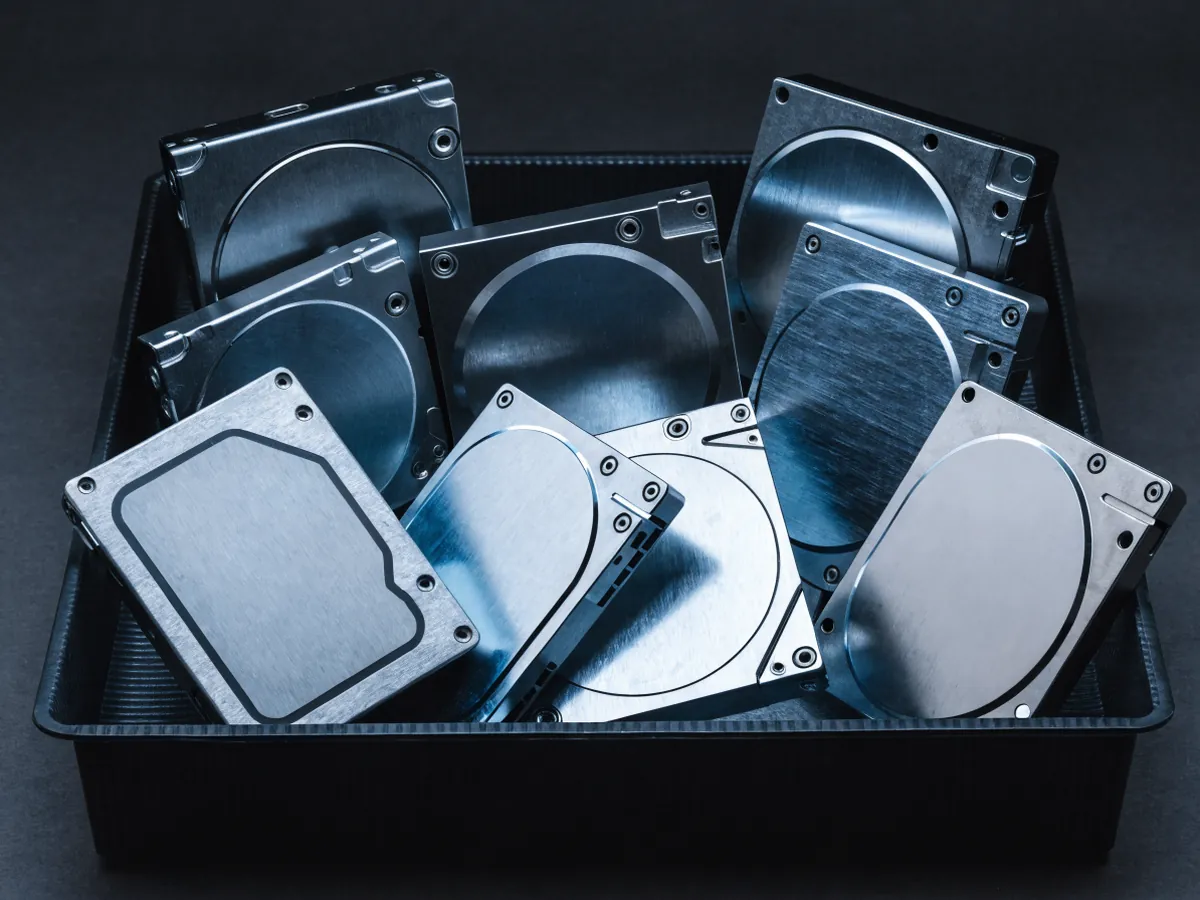
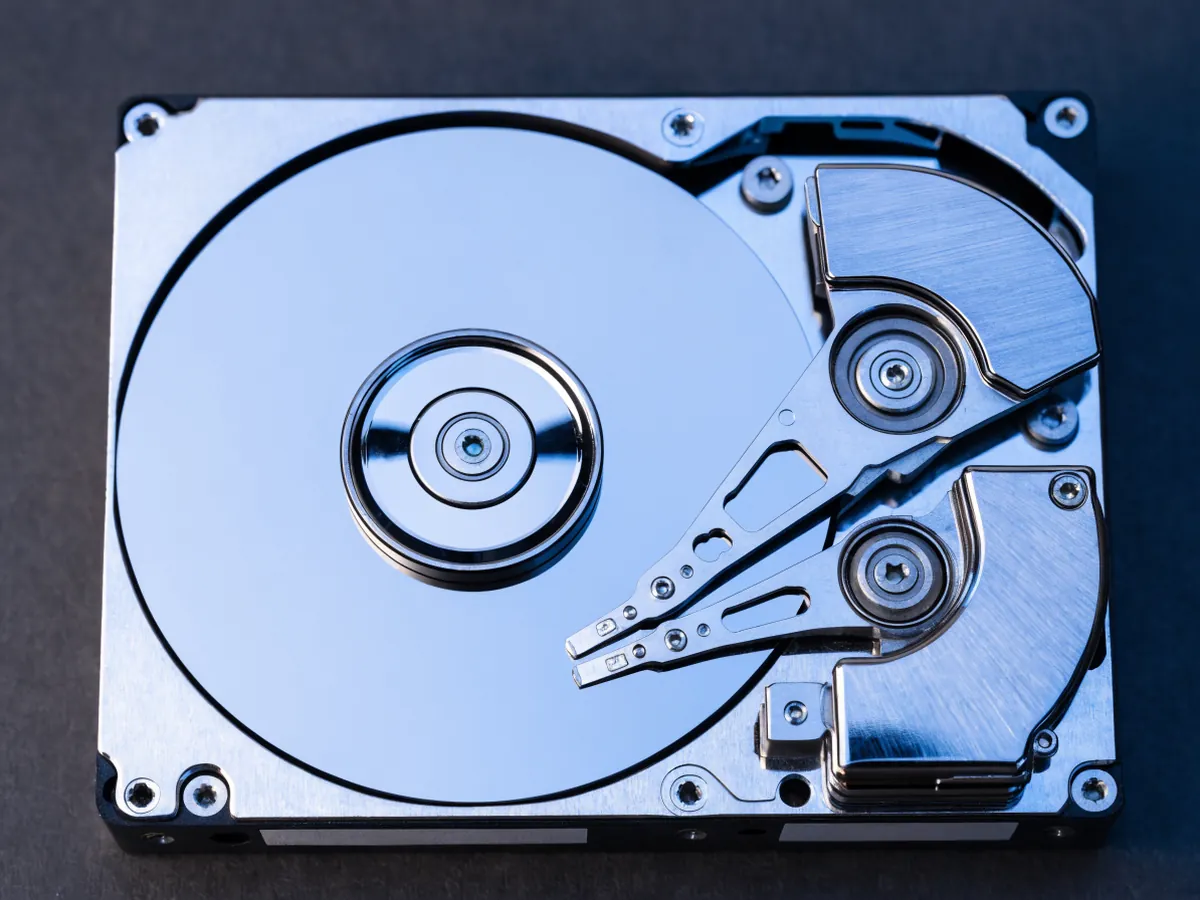
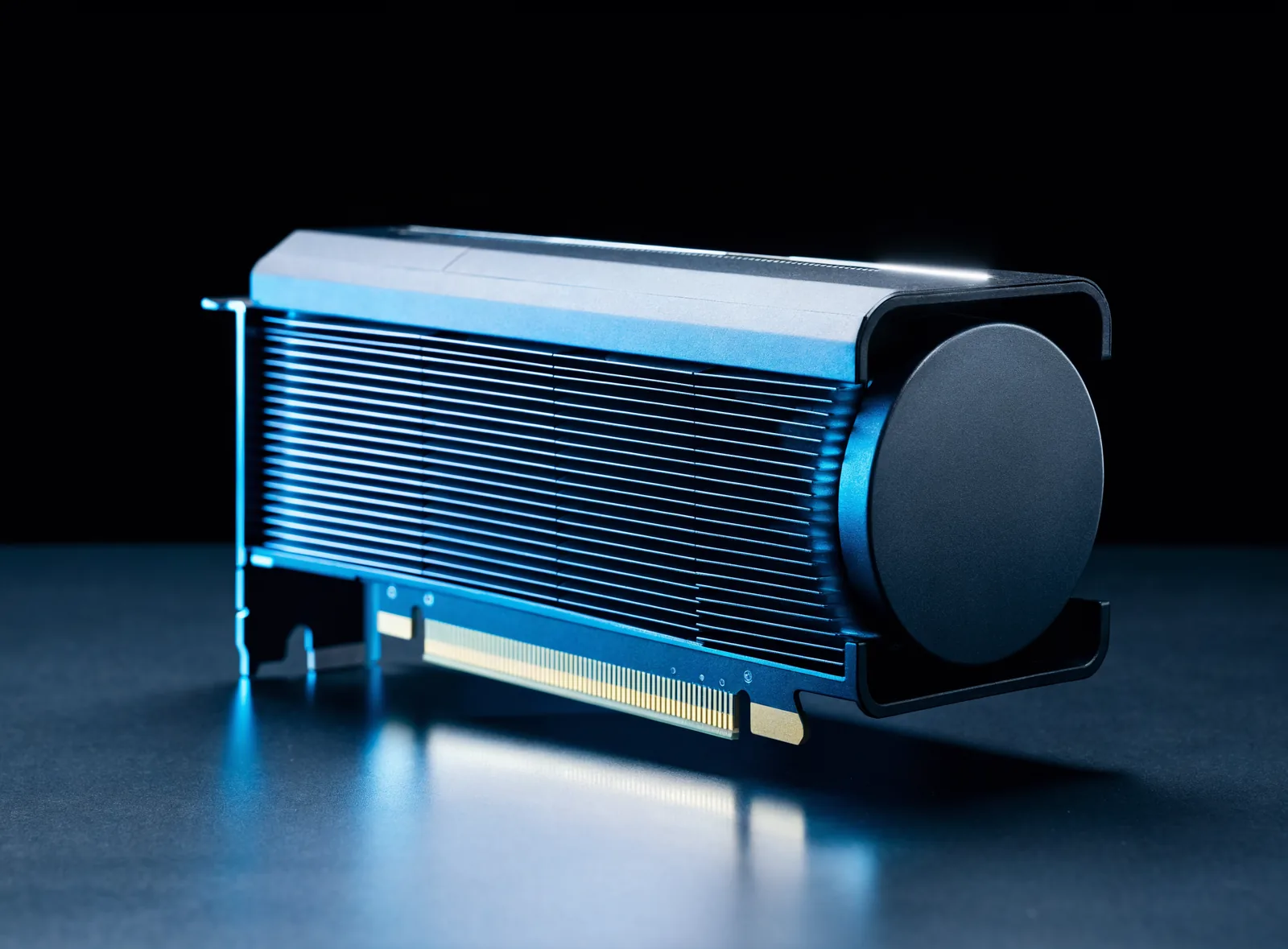
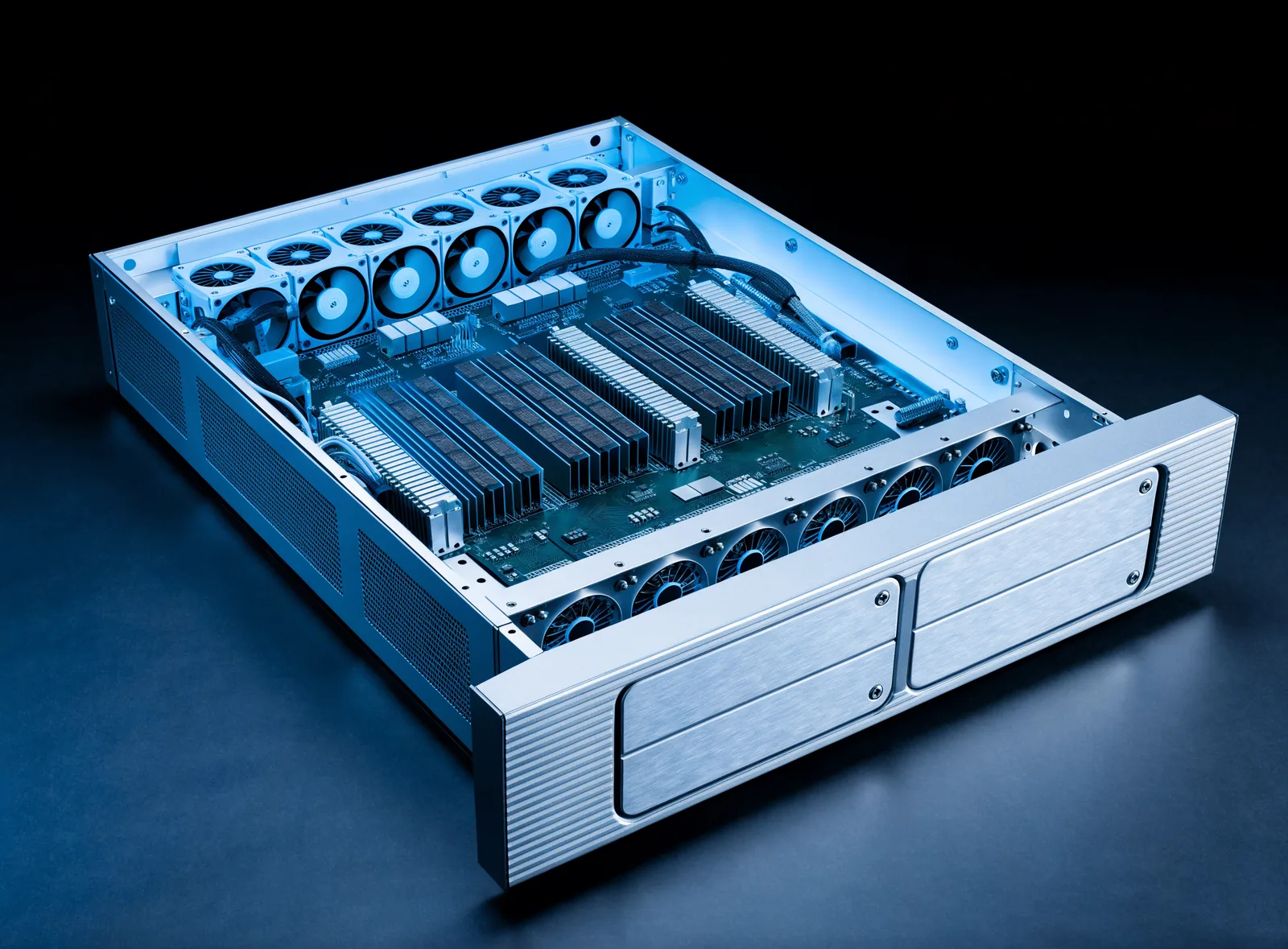
The families below are what circulates in this category on the secondary market, listed so you can work out what you are holding or what you need. None of it is a stock listing and nothing here says GTR Supply holds a particular part. The photographs illustrate the form factor and are not photographs of any named product. Send the part number and the quantity you need and we will tell you where we stand.
Seagate Exos X and Exos 7E
Seagate
The 3.5 inch nearline line that carries most of the volume out of hyperscale and cloud storage refreshes. Exos X runs from the X10 generation through to X24 at the high capacities, and Exos 7E8 and 7E10 sit in the band beneath them. Both SAS and SATA are common.
- How to spot it
- Part numbers begin ST, then the capacity in gigabytes, then NM for the 3.5 inch nearline family. ST16000NM001G is a 16TB drive. The trailing characters carry the interface and the sector format.
WD Ultrastar DC HC, including HGST labelled drives
Western Digital
Western Digital's 3.5 inch nearline line, and the reason a pallet can look like three brands. HGST prefixes stayed in production after the 2012 acquisition. The HC500 and HC600 series are the helium sealed high capacities, the HC300 series the smaller air filled band.
- How to spot it
- HUH and WUH prefixes are helium filled, HUS and WUS air filled. The letter group in the middle gives interface and sector format: ALE is SATA 512e, ALN is SATA 4Kn, AL5 is SAS 512e, AL4 is SAS 4Kn.
Toshiba MG series
Toshiba
The third name in most capacity drive lots, and it comes out of the same cloud and enterprise refreshes as the other two. MG06 and MG07 cover the air filled and early helium capacities, MG08 through MG10 the higher ones, in both SATA and SAS.
- How to spot it
- MG08ACA16TE reads as series, then ACA for 3.5 inch SATA or SCA for SAS, then capacity, then the sector format letter. E is 512e, A is 4Kn, N is 512n. A trailing Y adds sanitize instant erase.
Shingled recording drives, including Ultrastar DC HC620, HC650 and HC670
Western Digital and Seagate
Shingled magnetic recording overlaps the tracks to raise density, and these drives come out of object storage and archive tiers rather than general purpose arrays. Host managed parts need a host that understands zoned storage, so they behave nothing like a normal drive behind a standard controller.
- How to spot it
- The four character prefix decides it. HUH, HUS, WUH and WUS are conventional recording. HSH and WSH are shingled. Capacity alone never tells you, and the label rarely says SMR in plain words.
10K SAS performance drives: Exos 10E, Ultrastar C10K and Toshiba AL15SE
Seagate, Western Digital and Toshiba
The 2.5 inch mission critical band, roughly 600GB to 2.4TB, pulled out of virtualisation and database hosts by the tray. Still the working drive in many older rack fleets, which is why these arrive in vendor carriers far more often than bare.
- How to spot it
- Seagate uses MM in the ST number, so ST2400MM0129 is a 2.4TB 10K drive. Western Digital heritage parts start HUC, and Toshiba uses AL14SEB and AL15SEB.
15K SAS drives: Exos 15E, Ultrastar C15K and the Cheetah and Savvio legacy
Seagate, Western Digital and Toshiba
The fastest spinning band and now the oldest, typically 300GB to 900GB. Current 15E and C15K parts are 2.5 inch. The 3.5 inch Cheetah and 2.5 inch Savvio drives they replaced are still coming out of long running arrays and legacy rack fleets.
- How to spot it
- Seagate 15K parts carry MP in the ST number, such as ST900MP0146, while the older Cheetahs end in SS for SAS. Western Digital heritage 15K drives read HUC156, and Toshiba uses AL13SX.
OEM coded drives: Dell, HPE, NetApp, EMC and Lenovo
Drives built by Seagate, Western Digital and Toshiba, coded for Dell, HPE, NetApp, EMC and Lenovo
The same mechanisms under a vendor part number and vendor firmware, usually still in the carrier they were pulled in. NetApp and EMC drives are often formatted to 520 or 528 byte sectors, which is not a fault but has to be reformatted before a standard controller will see them.
- How to spot it
- Dell prints a six character part number, often with a leading zero. HPE prints a two letter model code, historically EG for 10K and EH for 15K, alongside a spare part number ending in 001.
NAS and surveillance drives: IronWolf, SkyHawk, WD Red and WD Purple
Seagate, Western Digital and Toshiba
Not nearline enterprise, and they appear in almost every mixed pallet. IronWolf and WD Red come out of decommissioned NAS appliances, SkyHawk and WD Purple out of retired DVR and NVR systems, Toshiba N300 and MN from both. Worth listing on their own line.
- How to spot it
- Seagate encodes the market in the ST number: VN for network attached storage, VX for surveillance, DM for desktop. Western Digital names its lines by colour instead, and Toshiba uses N300, MN and MD.
Dual actuator drives: Exos 2X and Ultrastar DC HS760
Seagate and Western Digital
One physical drive with two independent actuator assemblies, built for bandwidth in hyperscale racks and now reaching decommissions. Each presents to the host as two logical devices, so a buyer who is not expecting it reports the capacity as half of what it should be, twice.
- How to spot it
- Seagate puts 2X where the X generation number usually sits, as in Exos 2X18. Western Digital's is the Ultrastar DC HS760, an HS name rather than an HC or HA one.
Trademarks
All product and company names are the trademarks of their respective owners. GTR Supply is an independent trader with no affiliation to, authorization from, or endorsement by any manufacturer named on this page.
Specifications
What we hold in Hard Drives.
- Form factors
- 3.5in and 2.5in
- Interfaces
- SAS 12Gb/s, SATA III, nearline SAS
- Capacities
- 600GB to 22TB
- Speeds
- 7.2K, 10K and 15K RPM
- Conditions
- New, refurbished, Grade A and Grade B
- Testing
- SMART health report per drive
Typical stock
Commonly available.
- Nearline SAS and SATA high capacity drives
- 10K and 15K RPM performance drives
- Caddy mounted drives from decommissioned arrays
- Mixed capacity pallet lots with manifests
- Storage array pulls in bulk quantities
Looking for a specific part number?
Send the part number and quantity. We quote against live stock, and if we cannot get it we will say so rather than substitute something else.
Clearing Hard Drives rather than buying? Sell your surplus Hard Drives to GTR Supply. That page sets out what we take, what your list needs to carry for Hard Drives, and what moves the number up or down.
Request a quote
Get pricing on Hard Drives.
Tell us the specification and volume you need. Most requests are quoted the same business day, against a full manifest so you can price accurately.
Common questions
Hard Drives questions, answered.
How are the hard drives graded?
Every drive is tested for SMART health, power on hours and reallocated sector count, then graded on the results. Both the grade and the underlying test data go on the manifest, so you are buying against numbers rather than an adjective.
Those three figures matter for different reasons. Power on hours tell you roughly how much service life the drive has already spent. Reallocated sectors tell you whether the drive has begun failing and quietly mapping around the damage. Overall SMART status catches faults that have already crossed a manufacturer threshold.
A drive with high hours but a clean sector count is a different proposition from a low hour drive that has started reallocating, and the second is the one to treat carefully. Because the raw test data travels with the lot, you can apply your own thresholds rather than accepting ours.
Do you sell drives still in their caddies?
Yes. A large share of our hard drive stock comes out of decommissioned arrays and arrives in the original caddies, so we can ship it that way.
Whether you want them is worth deciding before you buy. If you are populating the same chassis family the drives came from, caddies included is usually the cheaper route, because buying trays separately afterwards often costs more than the drives themselves are worth. If the drives are going into a different platform, or you already hold caddies, taking bare drives keeps both the shipping weight and the price down.
Tell us which way you want it at quote stage and we will price accordingly. If you are not certain what your chassis takes, send the server model and we will work it out rather than leaving you to guess.
What quantities do you supply?
Typically from around 100 drives upward, and regularly in the thousands. Storage decommissions come out of data centers in bulk, so hard drives are one of the categories where large quantities are normal rather than exceptional.
Send the full quantity you need rather than a trial number. Volume materially changes what we can put in front of you, because it changes which of our lots can cover it. A request for fifty drives and a request for five thousand of the same model come out of completely different lots, and quoting the small number first can give you a misleading picture of where the real price would land.
If the requirement is phased across a quarter or a year, say so. A committed total with a delivery schedule is easier to price well than a series of unconnected small orders.
Do you provide a certificate of data destruction?
Yes. Every drive is securely wiped before dispatch and a certificate of data destruction is available on request.
For spinning disk this is more straightforward than it is for flash, because a hard drive writes to the sectors you address rather than remapping behind a controller. A completed overwrite pass across the full addressable surface, verified afterwards, does the job.
Drives that fail testing badly enough that a wipe cannot be verified are not sold on as drives. Where a buyer requires physical destruction instead of a wipe, that needs stating at the point of enquiry, because it changes what happens to the hardware and therefore what it is worth.
If the certificates are for your own compliance records, ask before the lot ships, so they are produced against the correct serial range rather than reconstructed afterwards.
Guides
Buying Hard Drives by the lot is a different exercise from buying one unit at a time. These cover the questions that come up before a price is worth discussing.
Grade A vs Grade B Hardware Explained
What a condition grade covers, what it cannot cover, and why the same letter means two different things at two suppliers.
What Is a Hardware Lot Manifest
The document that lets you price a mixed lot line by line instead of guessing at an average.
What to Check Buying Used Server Drives
How much life is spent, has it begun failing, and can you verify it. In that order, before price.
Drive Interfaces: SAS, SATA, NVMe and U.2
Start at the backplane, not at the drive. What your controller accepts is the question that costs money.
IT Hardware Trading Glossary
Every term this site and this trade uses, defined properly and grouped by theme, on one page.
Brands
Nobody buys or sells Hard Drives well without knowing exactly which generation and configuration is in front of them, and the number that tells you sits somewhere different on every manufacturer's hardware. These pages show where to look and how to read what you find. They are identification help rather than stock lists, so send the part number and the quantity and we will tell you where we stand.
Enterprise SSD Brands: Samsung, Micron, Solidigm and Kioxia
Samsung: reading an MZ part number
Seagate Exos Drives: Reading an ST Part Number
Reading an ST part number
WD Ultrastar and HGST: One Company, Three Labels
Three labels, one company, and why the old numbers are still live
Every brand GTR Supply buys and sells, grouped by category, with the identification detail for each one.
Other categories
Let's talk hardware.
Tell us what you are buying or selling. We will get you a number fast.
Prefer WhatsApp? Message us on (945) 397-7765