Bulk Networking Equipment Supplier
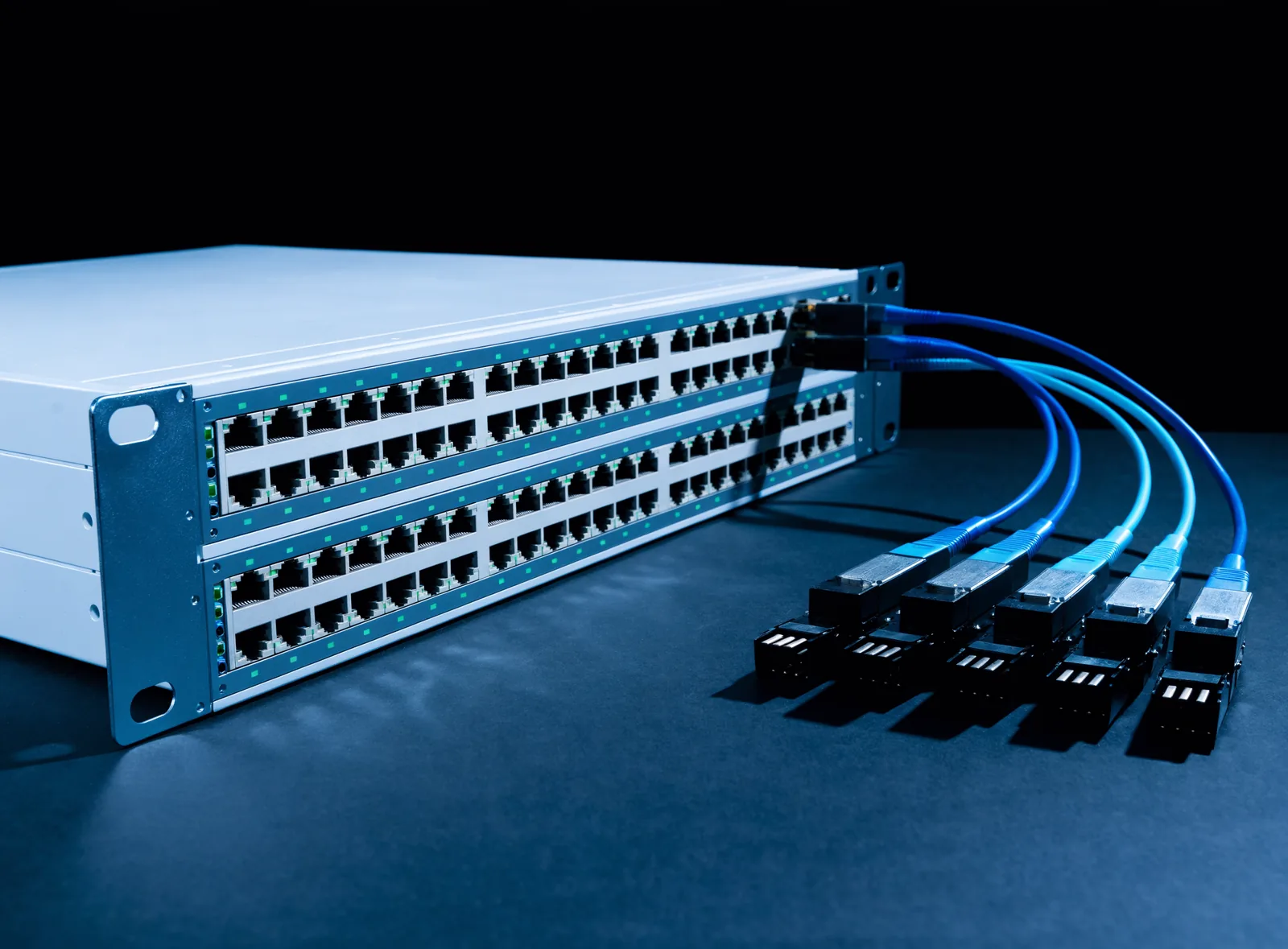
We supply networking hardware in volume across switching, routing and interconnect. Stock covers rackmount switches, network interface cards, optical transceivers and the rack infrastructure that goes with them. Every unit is tested and has its previous configuration wiped before it ships.
In circulation
Networking makes, models and part numbers.
Networking is the category where a secondary market lot least often contains one thing. A single decommissioned rack releases the switches, the optics that were seated in them, the twinax that linked them and the server adapters at the far end of every link, and refurbishers and trade boards list all four as separate lots. Switching volume concentrates in five houses: Cisco Catalyst in campus wiring closets, Cisco Nexus and Arista in data centers, Juniper across both, HPE Aruba across corporate estates, and Nvidia Mellanox out of AI and HPC clusters, all of which have live refurbished catalogues with model level inventory.
None of this is a stock list
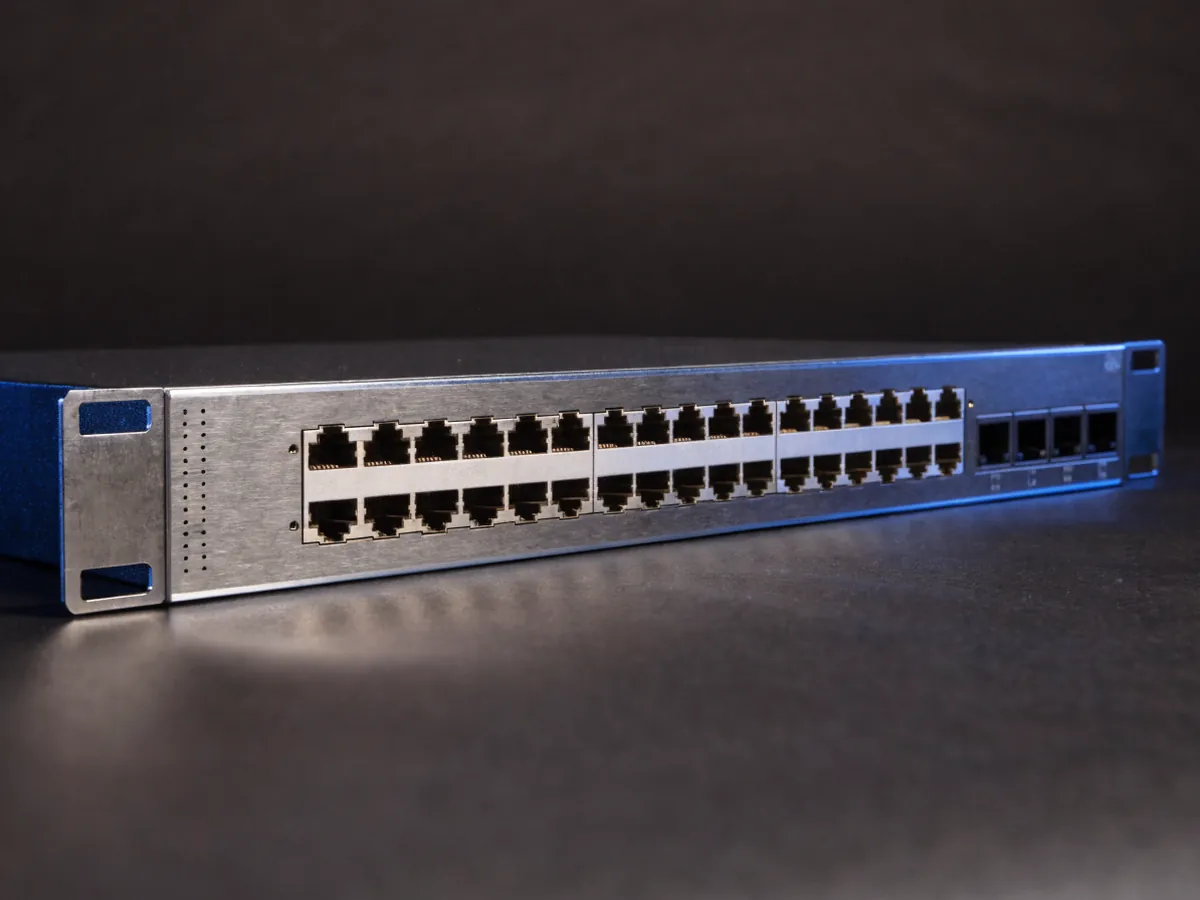
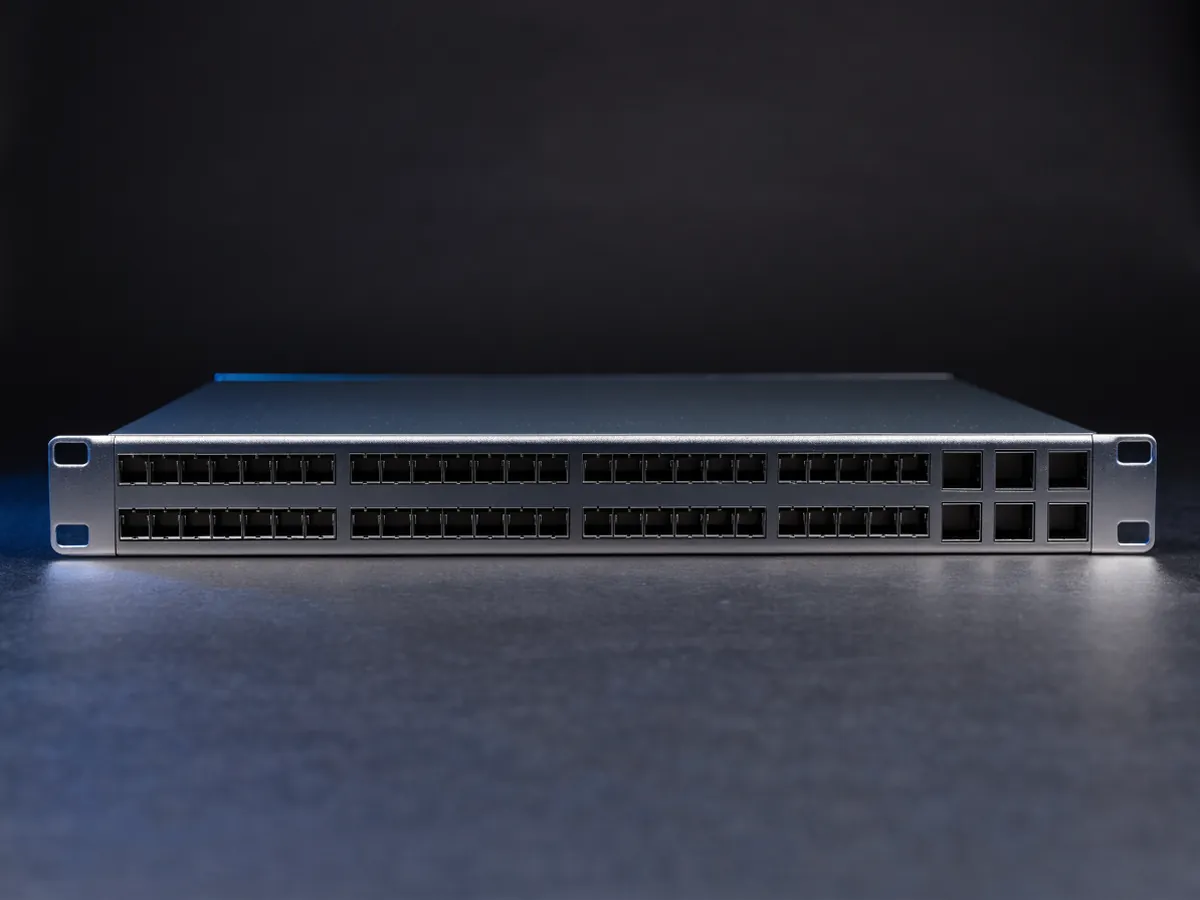
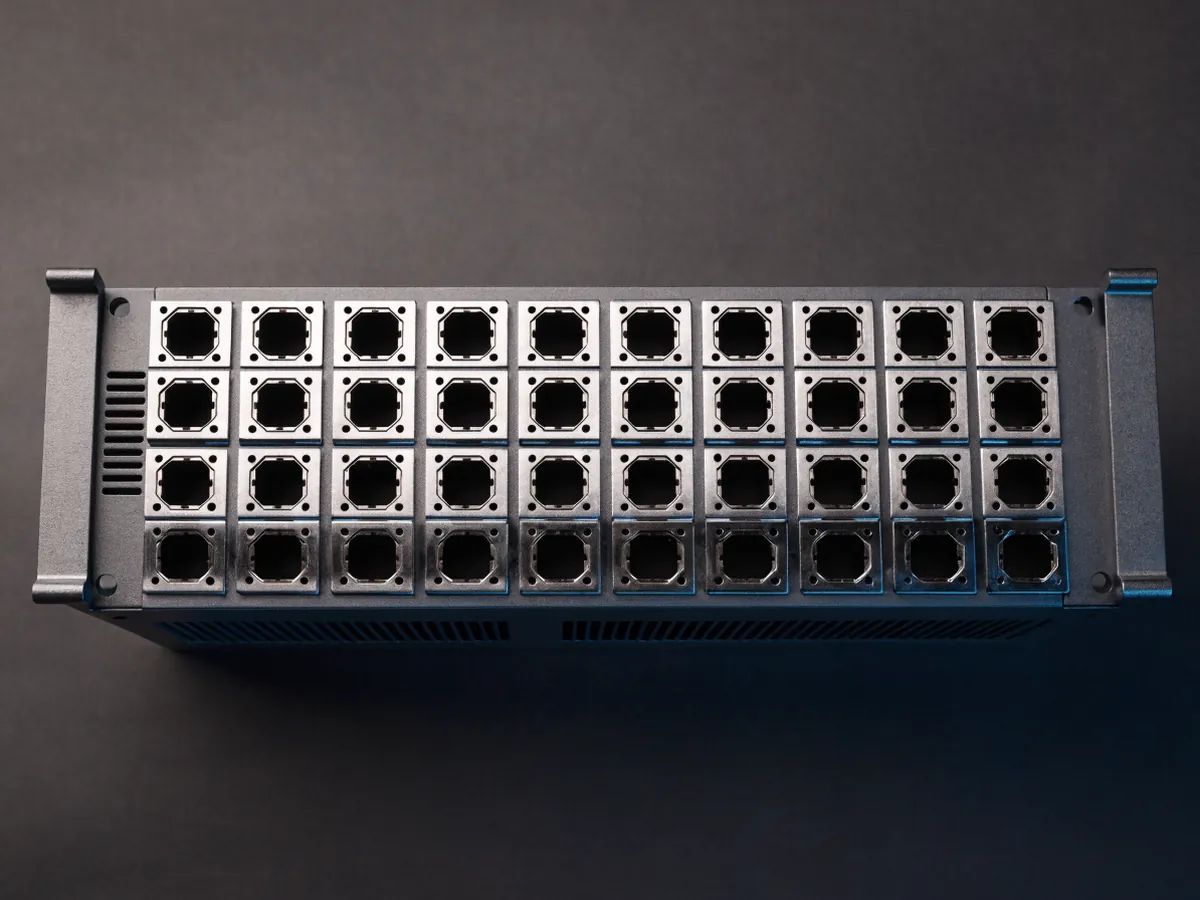
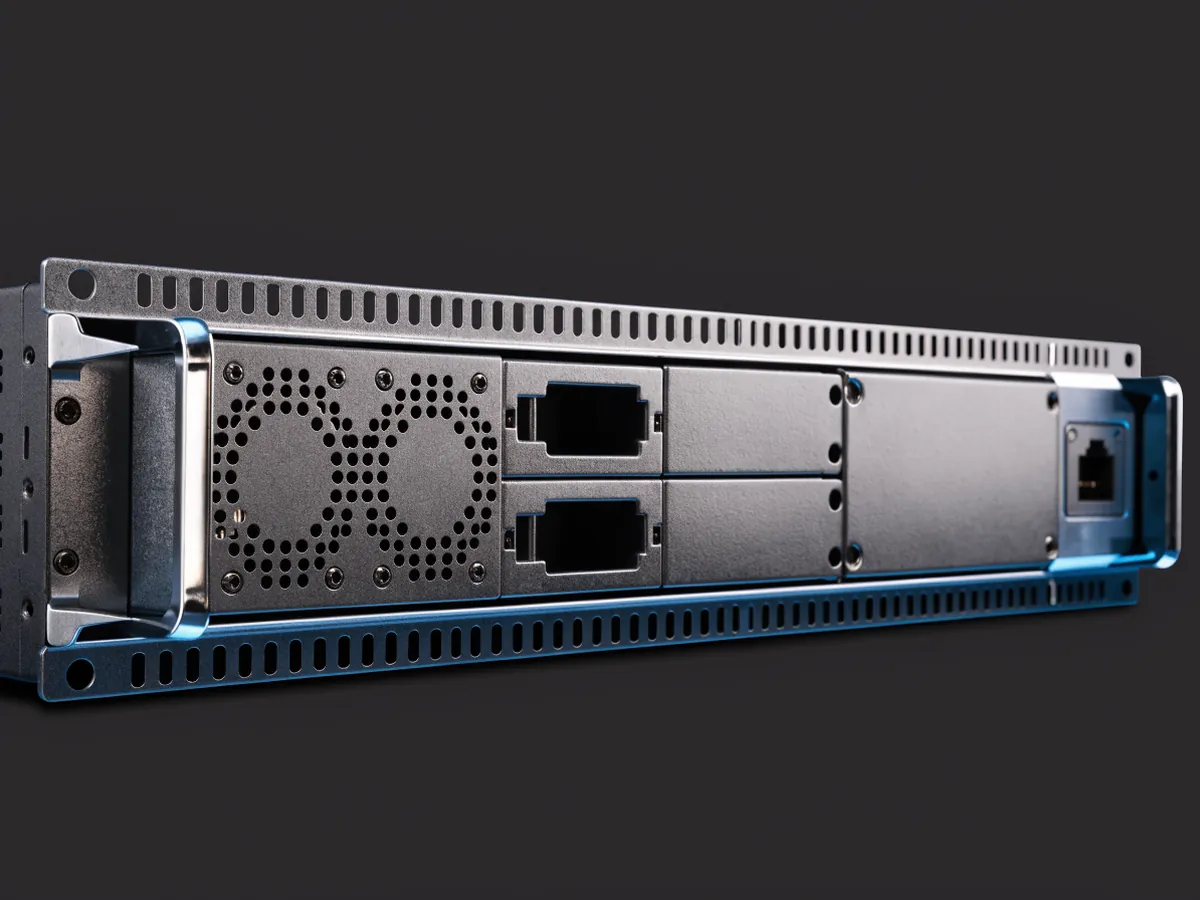
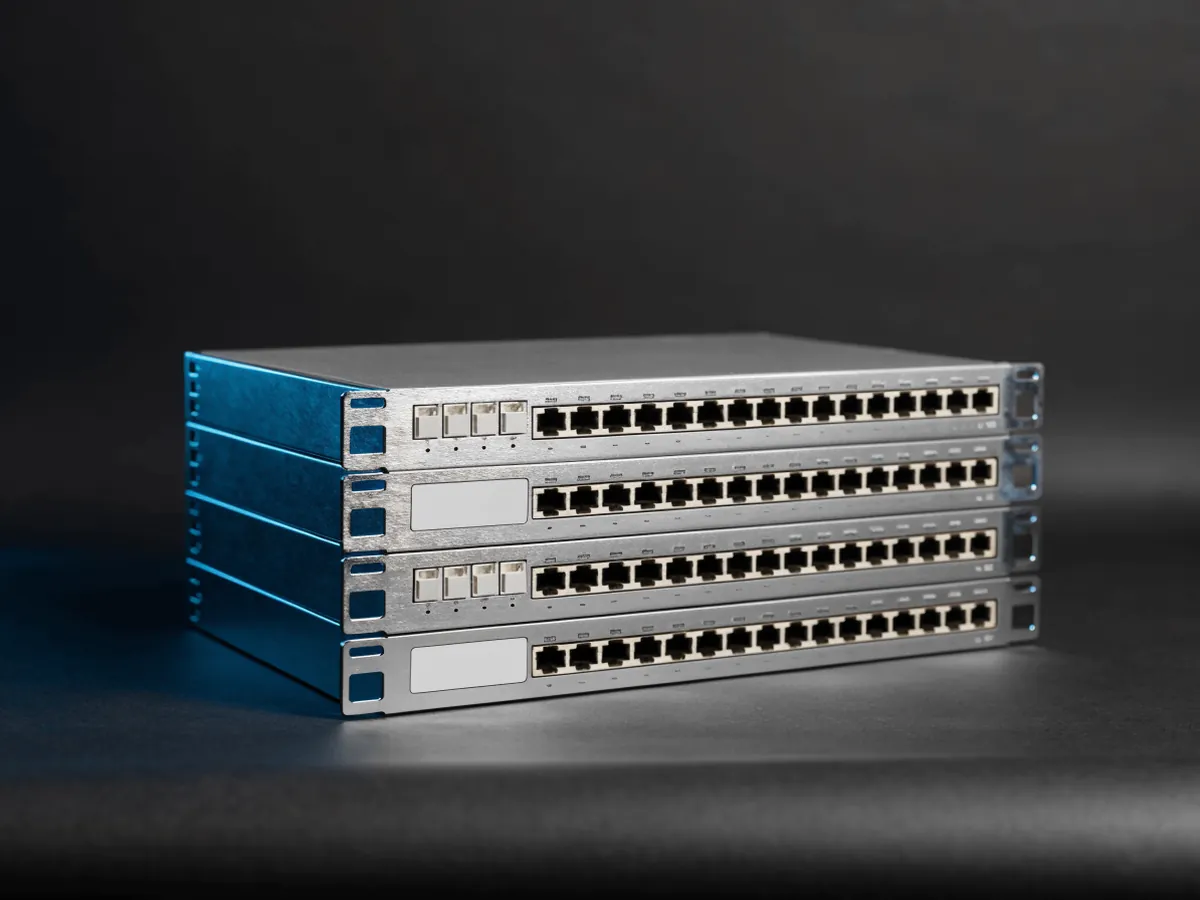
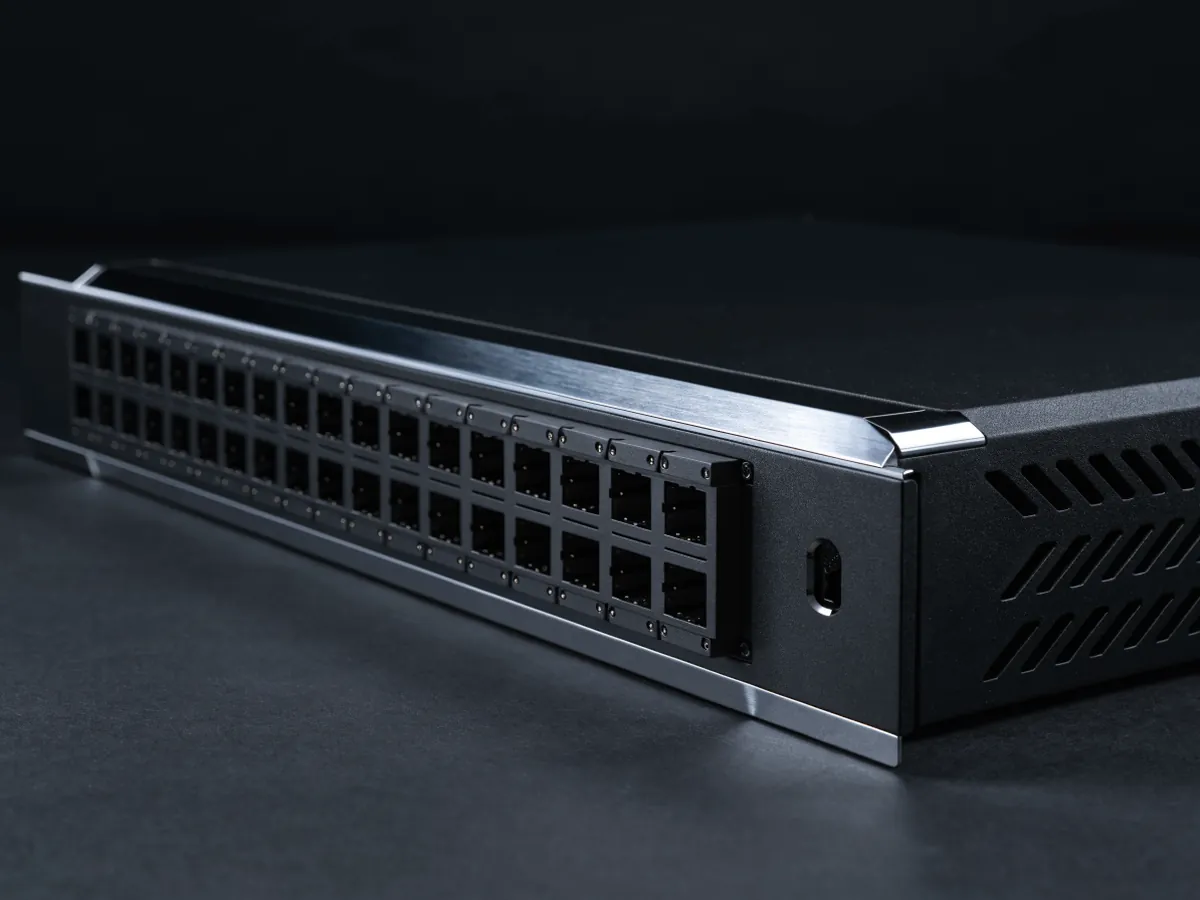
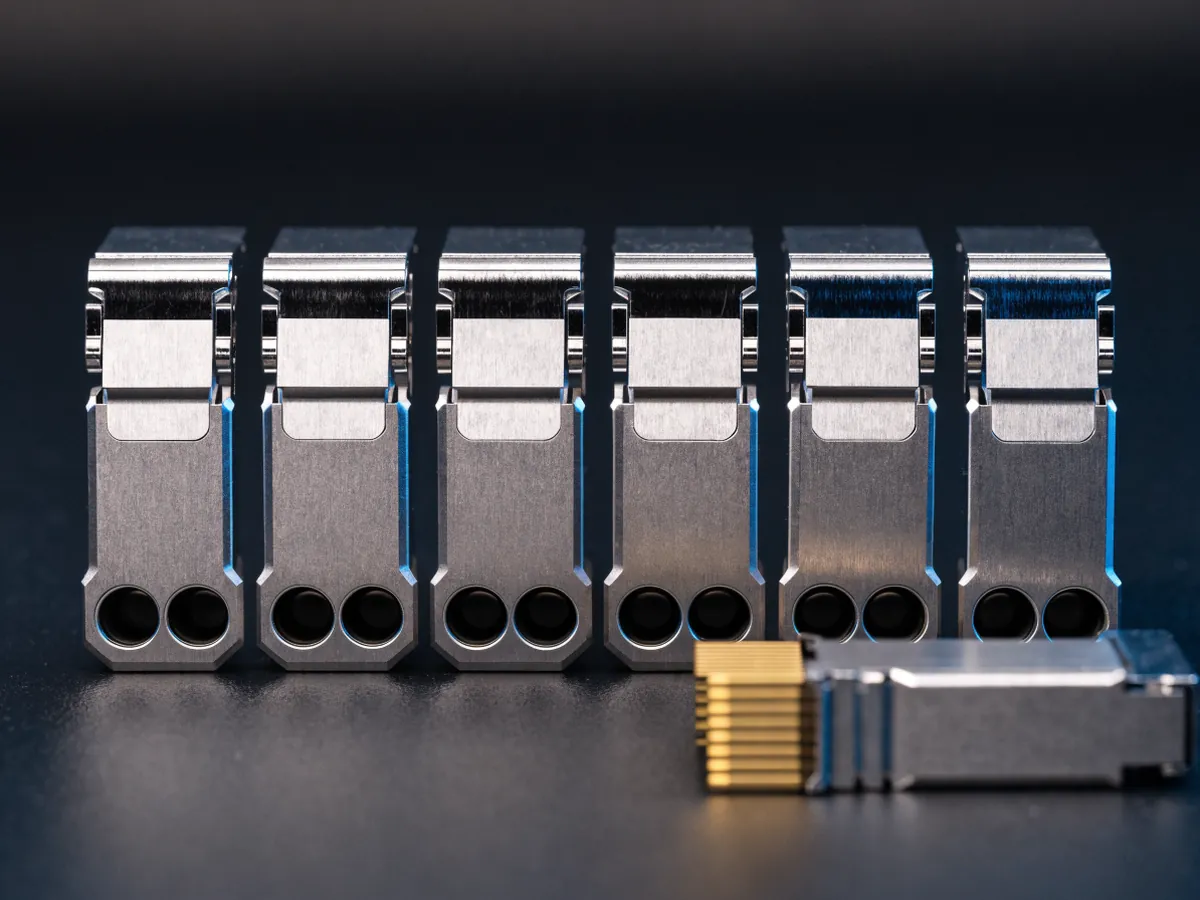
The families below are what circulates in this category on the secondary market, listed so you can work out what you are holding or what you need. None of it is a stock listing and nothing here says GTR Supply holds a particular part. The photographs illustrate the form factor and are not photographs of any named product. Send the part number and the quantity you need and we will tell you where we stand.
Cisco Catalyst 9000, 3000 and 2960 switching
Cisco
Fixed access and aggregation switches from office and campus wiring closets. The 9200, 9300 and 9500 lines arrive from refresh programmes, and the older 2960, 3560, 3750 and 3850 units still make up much of the volume moving through refurbishers.
- How to spot it
- Current units begin C9200, C9300 or C9500 and earlier ones carry a WS-C prefix. The trailing letter is the software tier the switch shipped with, A or E on the 9000 series, L, S or E before it.
Cisco Nexus 9000, 5000 and 2000
Cisco
The data center line, out of decommissioned racks and pod refreshes. Nexus 9000 leaf and spine switches carry the volume, with 5000 series units and 2000 fabric extenders still circulating from older fabrics. Airflow direction decides whether a unit fits your rack.
- How to spot it
- Part numbers start N9K, N5K or N2K followed by a C and the model, so N9K-C93180YC-EX. The trailing two letters are the generation code, and the power supplies carry the airflow direction.
Arista 7050X, 7060X and 7280R
Arista
Leaf and spine switches from cloud and enterprise data centers, a large share of them released by hyperscale refreshes. The 7050X and 7060X lines carry most of the 10, 25 and 100 gigabit resale, with 7280R units arriving from routing and peering roles.
- How to spot it
- Order codes begin DCS followed by the platform, so DCS-7050SX3-48YC8. The final letter is the airflow direction, F for front to rear and R for rear to front.
Juniper EX and QFX
Juniper
Campus stacking switches and data center leaf switches, released by branch consolidations and fabric refreshes. EX2300, EX3400 and EX4300 cover access, while QFX5100, QFX5110 and QFX5120 carry most of the 10, 25 and 100 gigabit data center volume.
- How to spot it
- The model name is the part number, so EX4300-48T or QFX5100-48S. A trailing AFO or AFI gives the airflow direction, and the fans and power supplies in one chassis all have to match it.
HPE Aruba 2530, 2930 and 6300
HPE Aruba
Campus and branch switching out of corporate estates, usually in consistent batches because an organisation buys a whole floor at once. The 2530, 2930F and 2930M lines carry the older volume, with 6300 and 8325 units arriving from newer refreshes.
- How to spot it
- Traded by the J prefixed order code on the chassis label rather than the model name, J9 on the older units and JL on the newer ones. The 6300 and 8000 lines run a different operating system.
Nvidia Mellanox Spectrum and Quantum
Nvidia Mellanox
High speed switching out of AI and HPC clusters, which is where most of it enters resale. Spectrum SN2000 and SN3000 Ethernet switches cover 25, 100 and 200 gigabit, and Quantum and Switch-IB InfiniBand units come from the same rooms.
- How to spot it
- Order codes begin MSN for Spectrum Ethernet, MQM for Quantum InfiniBand and MSB for the earlier Switch-IB units. The trailing letter of the code gives the airflow direction, which has to match the rack.
SFP, SFP28, QSFP+ and QSFP28 transceivers
Cisco, Arista, Juniper, HPE and Nvidia Mellanox coded modules
Pluggable optics leave comms rooms and decommissioned racks in loose boxes as well as still seated in switches. Each module carries a small chip coding it to a switch vendor, so the coding narrows which platforms a given batch suits.
- How to spot it
- Form factor sets the speed: SFP at 1G, SFP+ at 10G, SFP28 at 25G, QSFP+ at 40G, QSFP28 at 100G. The part number and a reach code such as SR or LR are printed along the metal body.
DAC twinax and AOC cabling
Cisco, Arista, HPE, Nvidia Mellanox and MSA compatible makers
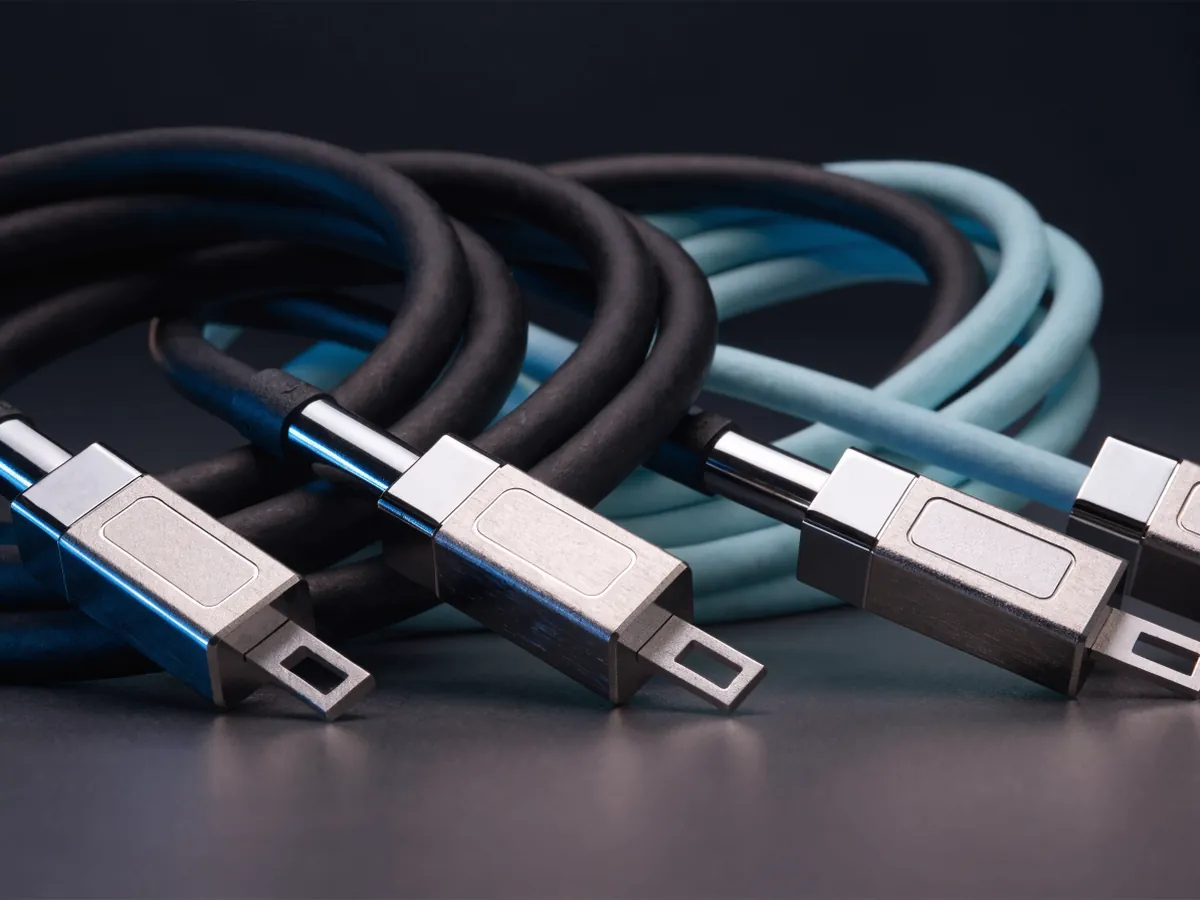
Twinax direct attach copper and active optical cables come out of every rack that is unracked, usually by the crate. Copper suits short in rack and adjacent rack links, and active optical covers the runs copper cannot reach across a row.
- How to spot it
- Both are cables with the pluggable module moulded on permanently at each end, so the ends give the speed. Length, gauge and the vendor coding at each end are printed on the sleeve near the connector.
Nvidia Mellanox ConnectX-3 to ConnectX-6
Nvidia Mellanox
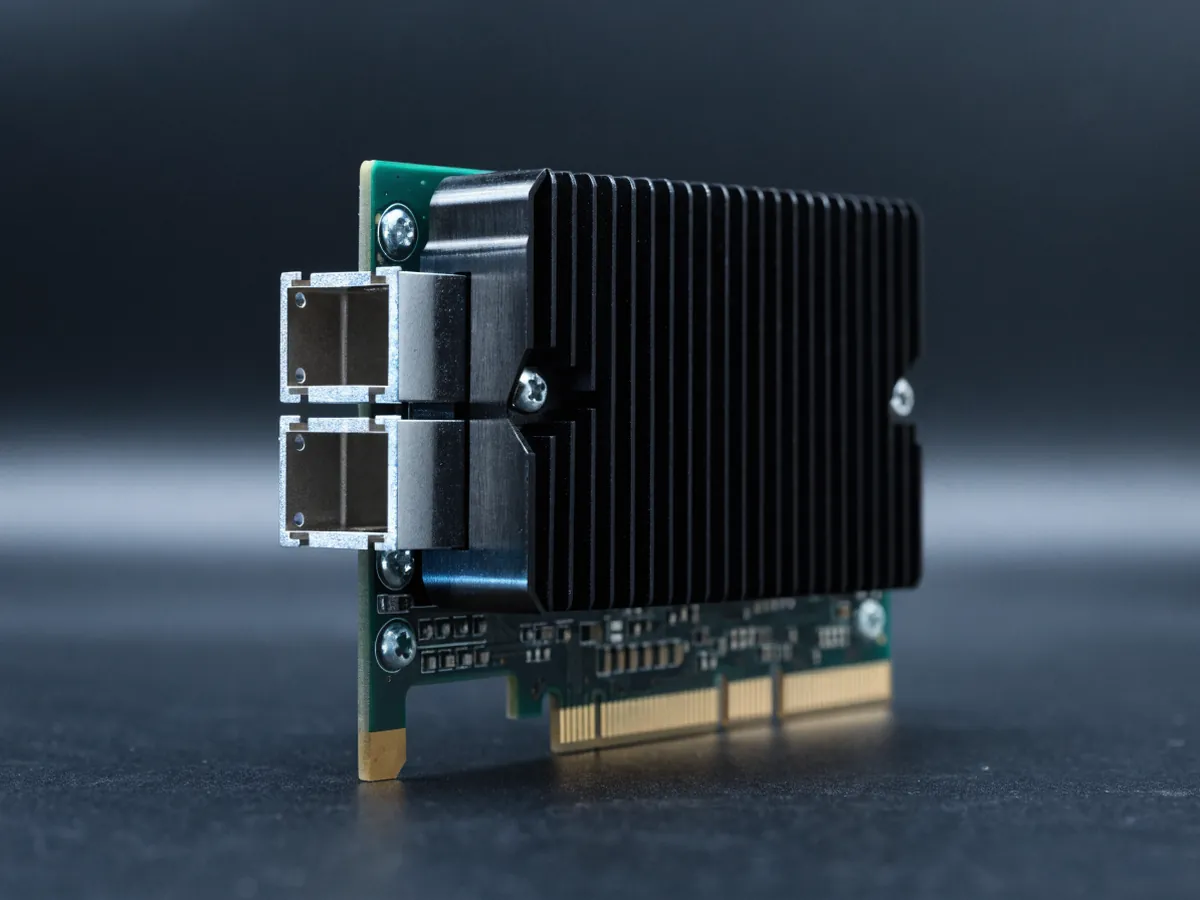
The high speed server adapter family, arriving from storage, virtualisation and AI cluster refreshes. ConnectX-4 Lx and ConnectX-5 carry most of the 25 and 100 gigabit resale volume, with ConnectX-3 still moving and ConnectX-6 now appearing.
- How to spot it
- Part numbers begin MCX and the first digit after it is the generation, so MCX4121A is ConnectX-4 and MCX516A is ConnectX-5. OEM branded versions carry a Dell, HPE or Lenovo number instead.
Intel X and E series, Broadcom NetXtreme
Intel and Broadcom
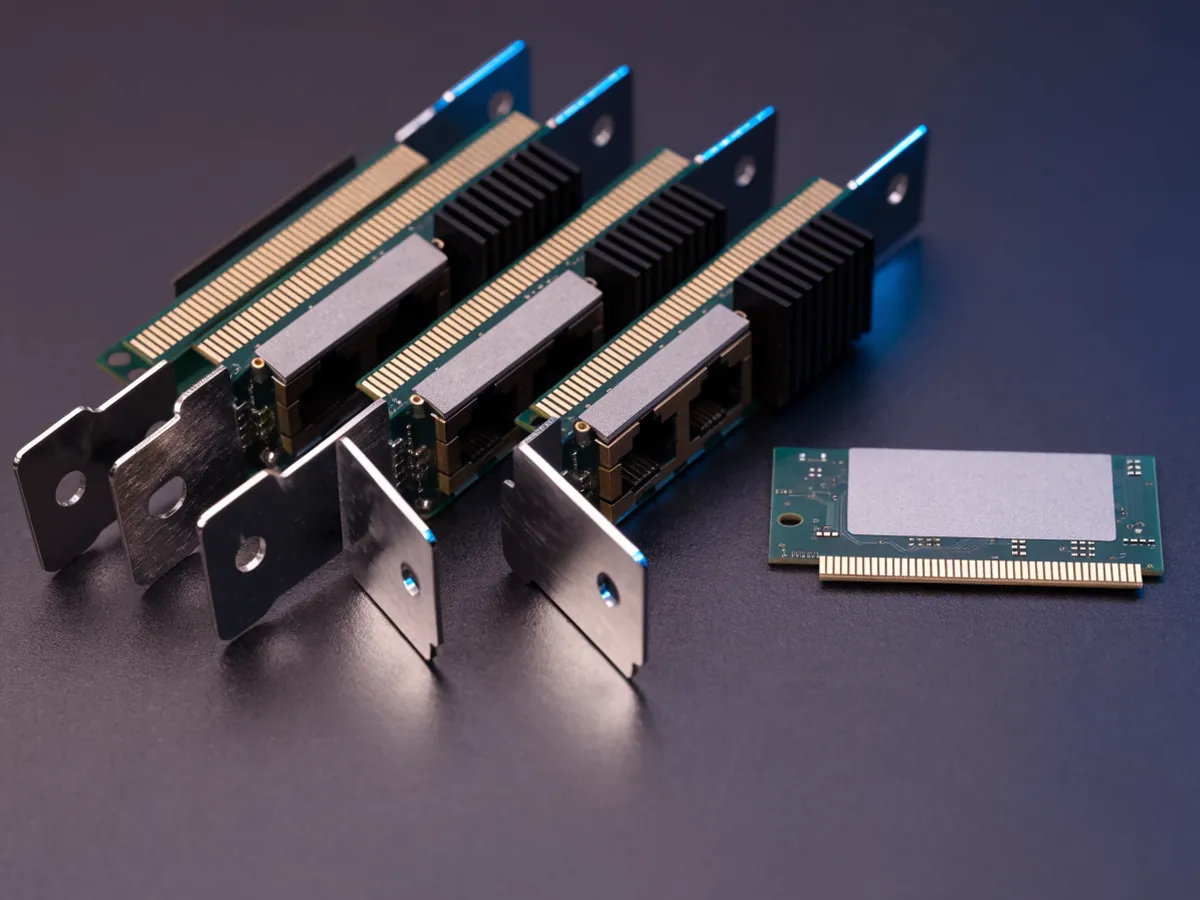
The volume server networking cards, pulled from general purpose nodes in large consistent batches. Intel X and E series and Broadcom NetXtreme cover 1, 10, 25 and 100 gigabit, and a large share arrive as OEM mezzanine and LOM cards rather than standard PCIe.
- How to spot it
- Intel names by speed: X710 at 10G, XXV710 at 25G, XL710 at 40G, with the E810 800 series running to 100G. Broadcom carries a BCM57 controller number. Mezzanine cards fit only the chassis family they were built for.
Trademarks
All product and company names are the trademarks of their respective owners. GTR Supply is an independent trader with no affiliation to, authorization from, or endorsement by any manufacturer named on this page.
Specifications
What we hold in Networking.
- Switching
- 1G, 10G, 25G, 40G and 100G
- Interconnect
- SFP, SFP+, QSFP and QSFP28 optics
- Adapters
- 1G through 100G network interface cards
- Infrastructure
- Rails, PDUs and cabling
- Conditions
- New, refurbished and tested pulls
- Configuration
- Wiped to factory defaults
Typical stock
Commonly available.
- Rackmount access and aggregation switches
- Optical transceivers in bulk quantities
- Network interface cards from 1G to 100G
- Direct attach copper and fiber cabling
- Rack infrastructure, rails and power distribution
Looking for a specific part number?
Send the part number and quantity. We quote against live stock, and if we cannot get it we will say so rather than substitute something else.
Clearing Networking rather than buying? Sell your surplus Networking to GTR Supply. That page sets out what we take, what your list needs to carry for Networking, and what moves the number up or down.
Request a quote
Get pricing on Networking.
Tell us the specification and volume you need. Most requests are quoted the same business day, against a full manifest so you can price accurately.
Common questions
Networking questions, answered.
Is previous configuration removed?
Yes. Every switch and router is reset to factory defaults before it ships, so no previous owner configuration, credentials or logging remains on the unit.
This is not only good practice, it protects both sides. Second hand network equipment that still holds a running configuration can carry VLAN layouts, routing detail, SNMP strings, access control lists and management credentials belonging to the organisation that decommissioned it. That is their exposure. It is also your problem, because a device that boots into somebody else's configuration is not usable until it has been wiped anyway.
Resetting also clears stored logs and any saved certificates or keys.
If you need units delivered on a particular firmware version rather than whatever they were last running, say so at quote stage, since firmware level often matters more for compatibility than the hardware revision does.
Do you supply transceivers coded for a specific vendor?
Tell us which platform the optics need to work in and we will confirm coding before quoting.
Optical transceivers carry a small EEPROM identifying the vendor, and many switches check it. A module that is physically and optically correct will sit in the port and refuse to come up because the switch does not recognise the coding, and some platforms log this as an unsupported transceiver rather than as an error, which makes it a slow fault to diagnose.
Coding is specific to the switch vendor, and occasionally to a platform family within a vendor, so the same optic can work in one switch and not in another from the same manufacturer.
Send the switch model along with the optic type, reach and connector you need. A transceiver that will not come up in your switch is worth nothing to you, and we would rather establish that before you buy than after.
Can you supply matched quantities for a full rack refresh?
Yes. Send the full bill of materials and we will quote it as one package rather than line by line.
Quoting a refresh as a whole works better for both sides. It lets us find the parts of the list that sit together in the same decommission, which is normally where the price improves, and it avoids the situation where the switches are agreed and delivered while the optics and cabling are still being priced separately three weeks later.
Include the items that are easy to leave off a bill of materials and then hold up an install: rails, cable management, power distribution, direct attach cables, and the specific optic types needed at both ends of every link.
If the refresh is phased, send the schedule as well, so stock can be held or staged rather than quoted twice.
Are switches tested before shipping?
Yes. Every unit is powered up, port tested and graded before it leaves us.
Port testing is the part worth being specific about. A switch that powers on and passes a management check can still have individual dead ports, and on a 48 port unit that is easy to miss if only a sample is checked. Testing every port means a failure is found here rather than during your install, where it is far more expensive to deal with.
Power supplies and fans are checked as well, since these are the components that fail first in equipment that has run continuously for years. On units with redundant supplies, both are tested rather than only the one that happens to be seated.
Condition and test results go on the manifest, and anything that does not pass does not ship as working stock.
Guides
Buying Networking by the lot is a different exercise from buying one unit at a time. These cover the questions that come up before a price is worth discussing.
Brands
Nobody buys or sells Networking well without knowing exactly which generation and configuration is in front of them, and the number that tells you sits somewhere different on every manufacturer's hardware. These pages show where to look and how to read what you find. They are identification help rather than stock lists, so send the part number and the quantity and we will tell you where we stand.
Nvidia Data Center and Workstation GPUs
PCIe, SXM and OAM: three different things to own
Cisco Switches, Routers and UCS: What You Have
The product ID, the serial, and dating a unit from its label
Every brand GTR Supply buys and sells, grouped by category, with the identification detail for each one.
Other categories

Laptops & Desktops
Business grade systems, graded A and B, supplied in volume.
SSDs & NVMe
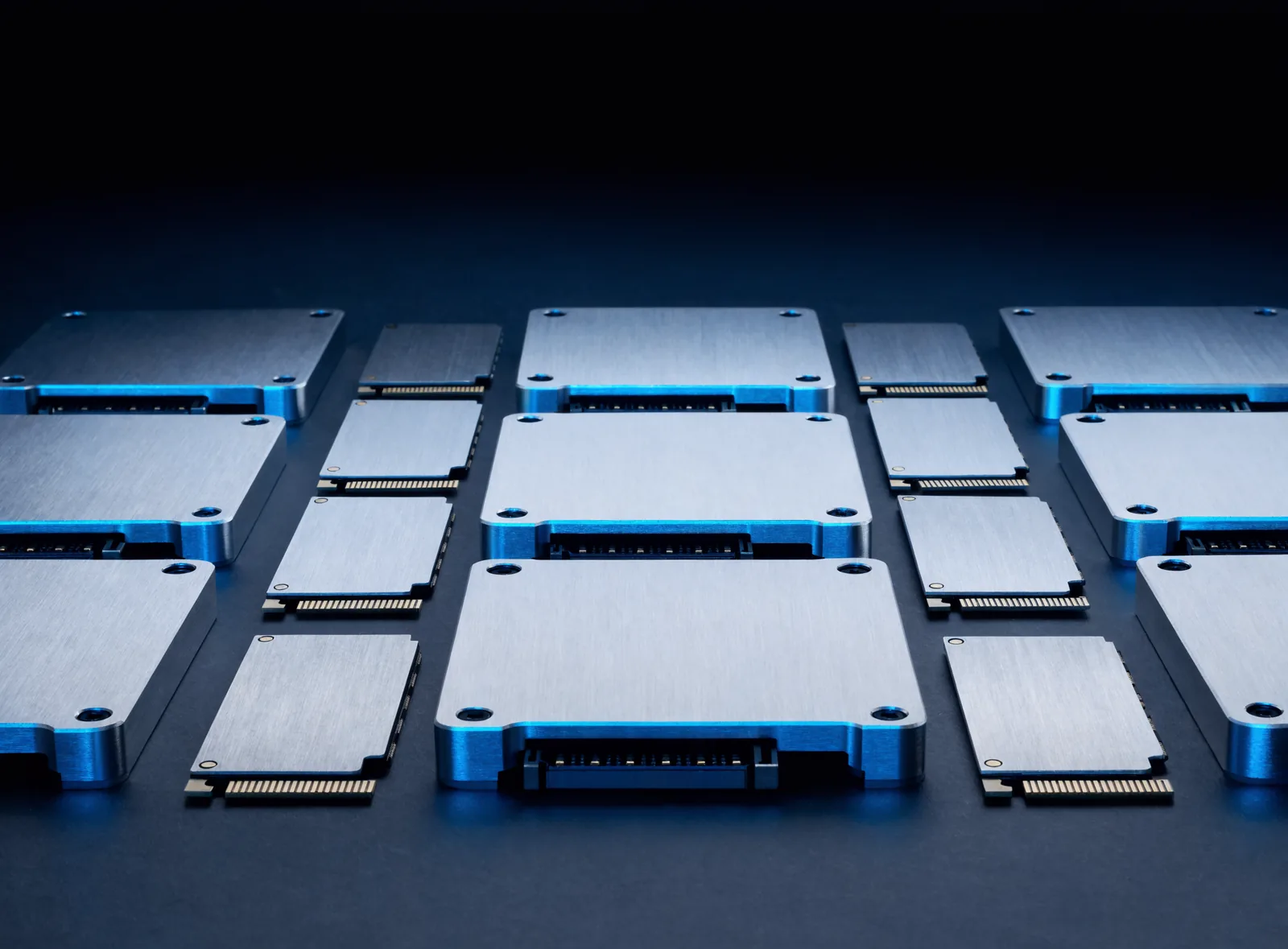
Enterprise and client flash, SATA and NVMe, by the tray or the pallet.
Hard Drives
Enterprise HDDs in every capacity, tested, graded and securely wiped.
Memory (RAM)
DDR3, DDR4 and DDR5 modules, registered and unbuffered, server and desktop.
Let's talk hardware.
Tell us what you are buying or selling. We will get you a number fast.
Prefer WhatsApp? Message us on (945) 397-7765