Bulk Server Memory and RAM Supplier
We supply memory in volume across server, desktop and laptop platforms. Stock covers DDR3, DDR4 and DDR5 in registered, load reduced, unbuffered and small outline formats. Every module is tested and supplied against its exact part number, which matters because ECC and non-ECC modules are not interchangeable and a mismatch costs you a whole deployment.
In circulation
Memory (RAM) makes, models and part numbers.
Memory is the one category where the whole market traces back to three companies. Almost all of the DRAM die in circulation is made by Samsung, SK hynix or Micron, so a mixed pallet of a dozen brands is usually three families of parts wearing different stickers, and the nine families below are organised the way a lot is actually described in the trade: by generation and by module format, not by brand. DDR4 registered modules dominate secondary volume, coming out of Xeon E5 v3 and v4 rooms and the first two Xeon Scalable generations as those fleets retire, with DDR3 still filling older decommissions and DDR5 arriving thinly from the first Sapphire Rapids, Emerald Rapids and Genoa refreshes.
None of this is a stock list
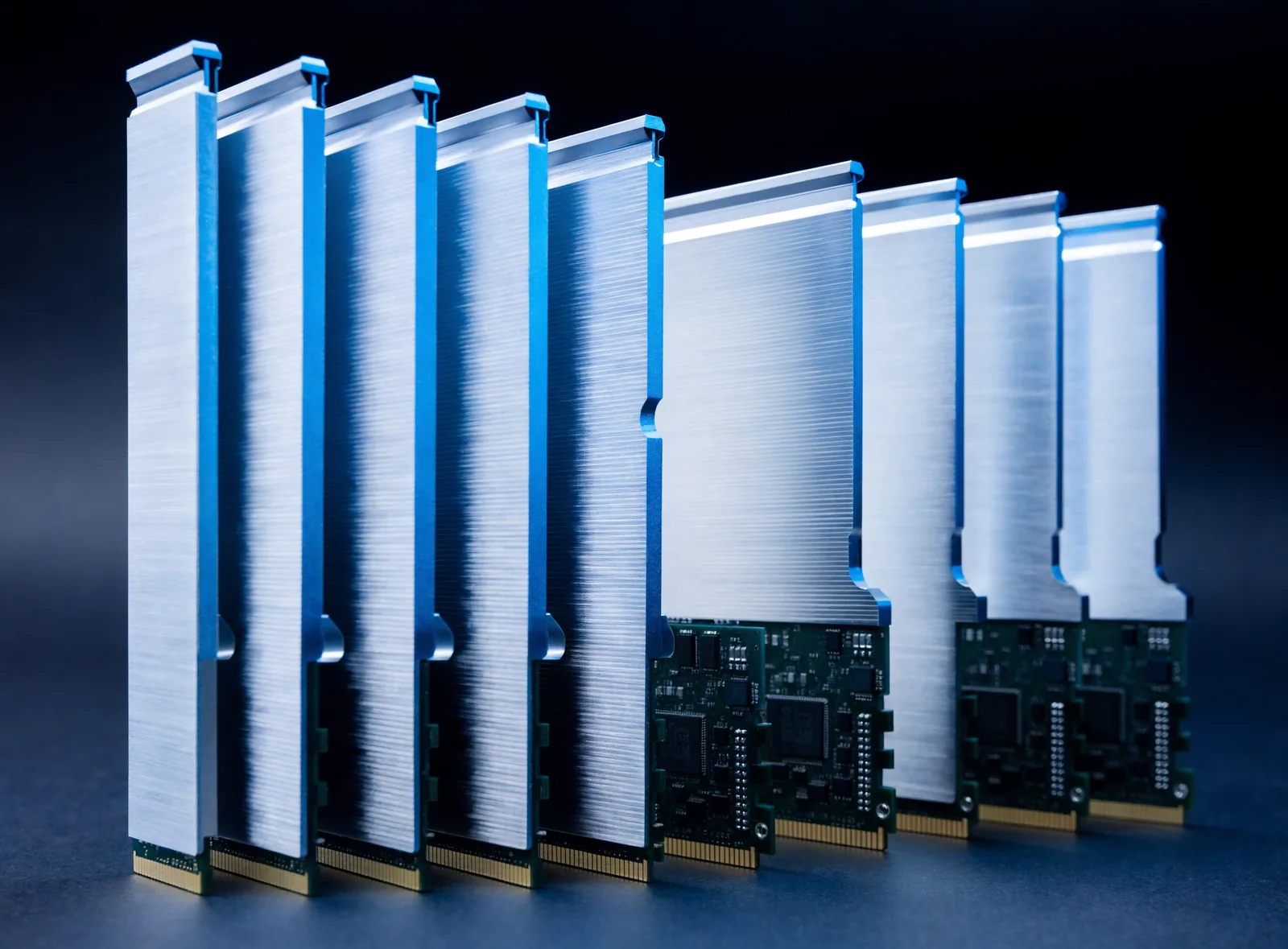
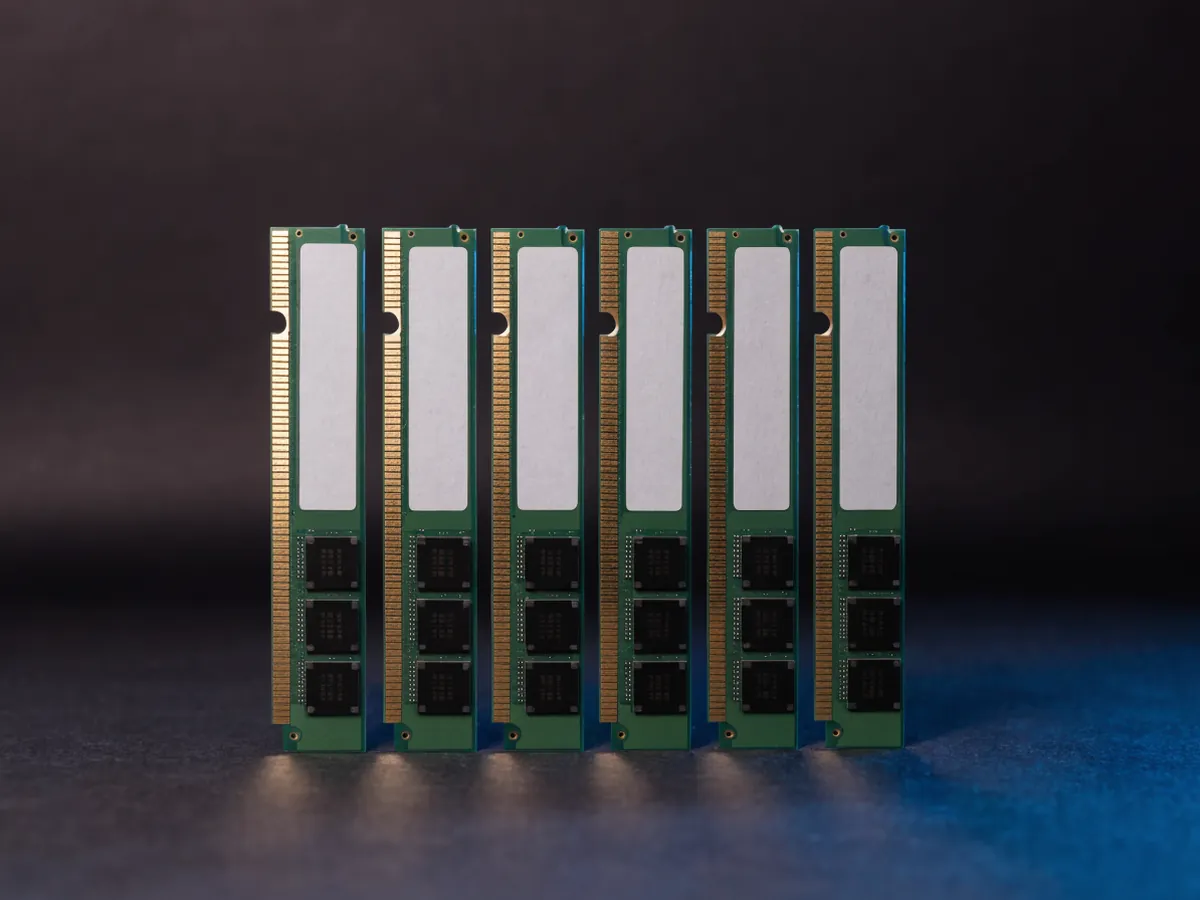
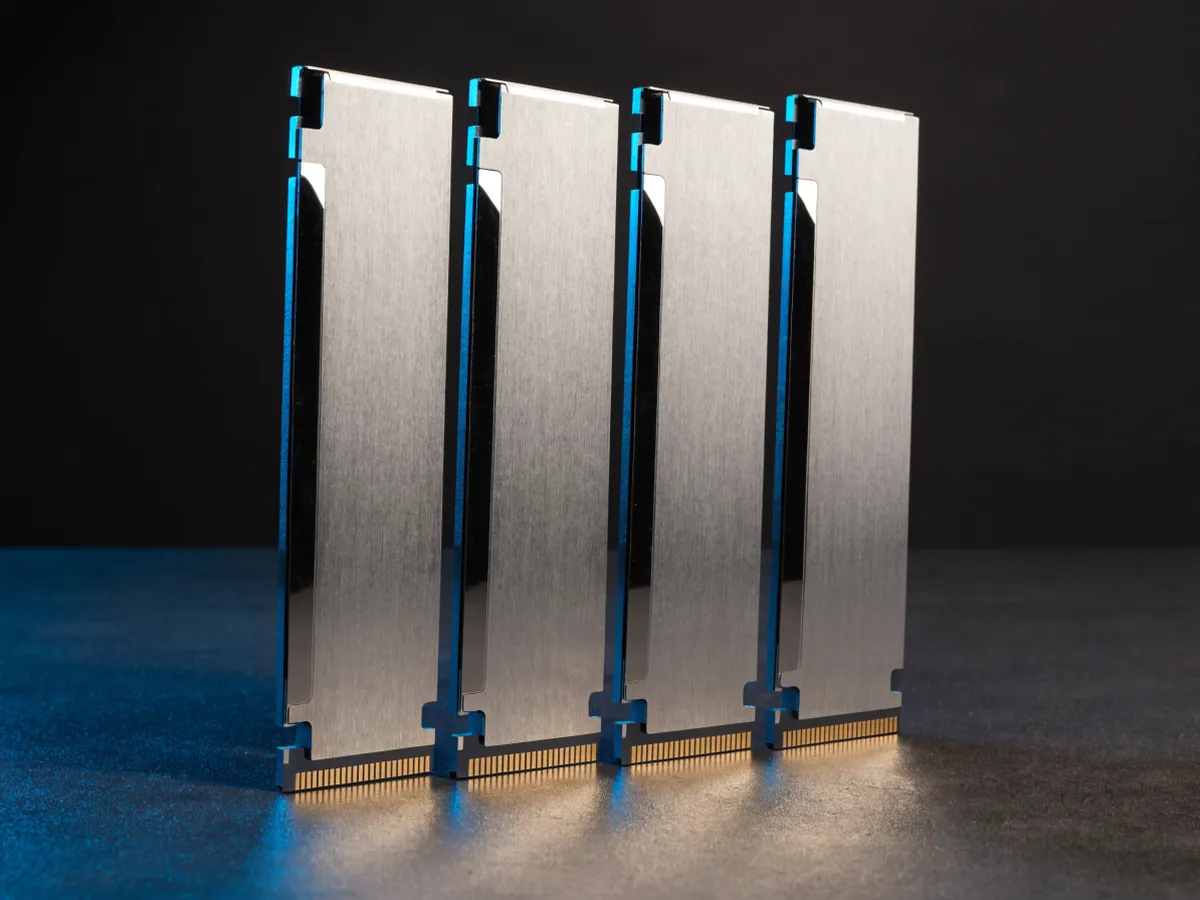
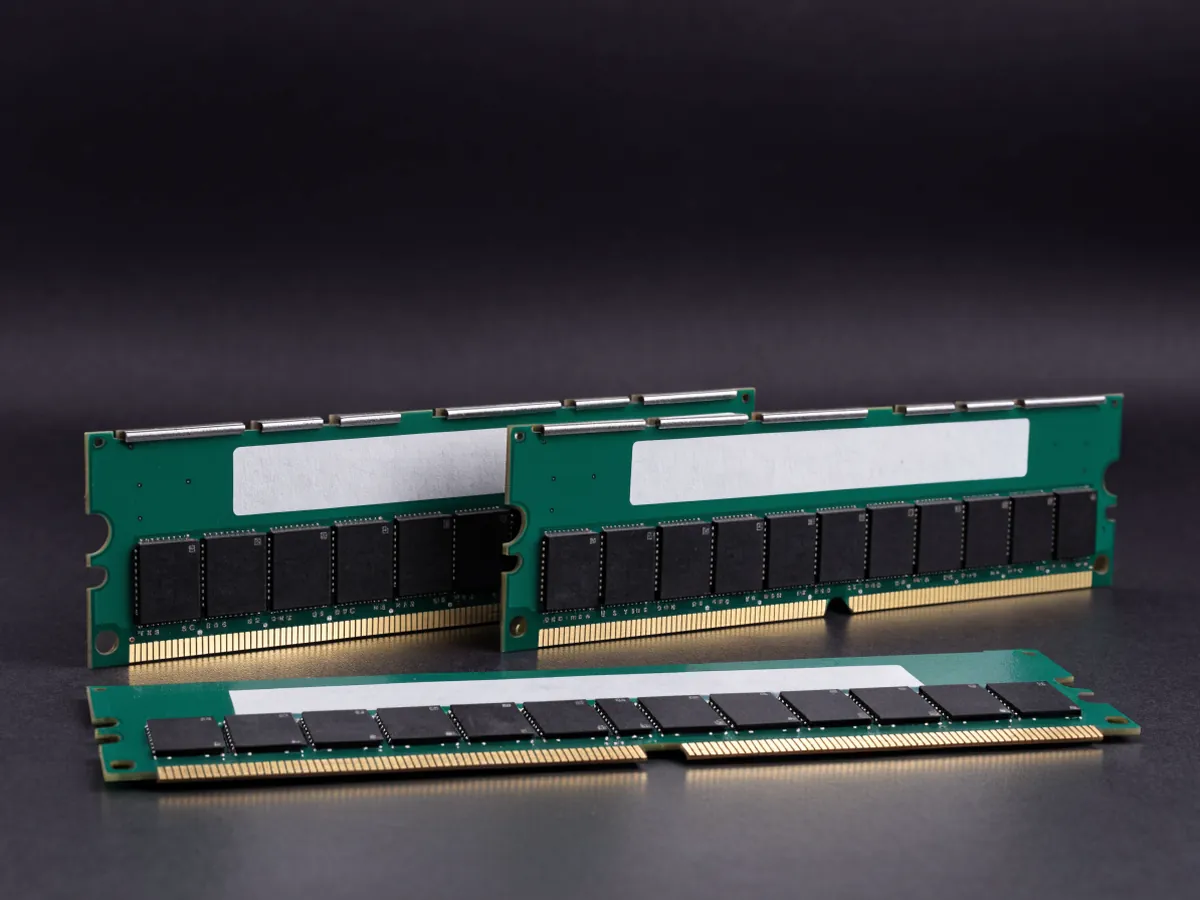
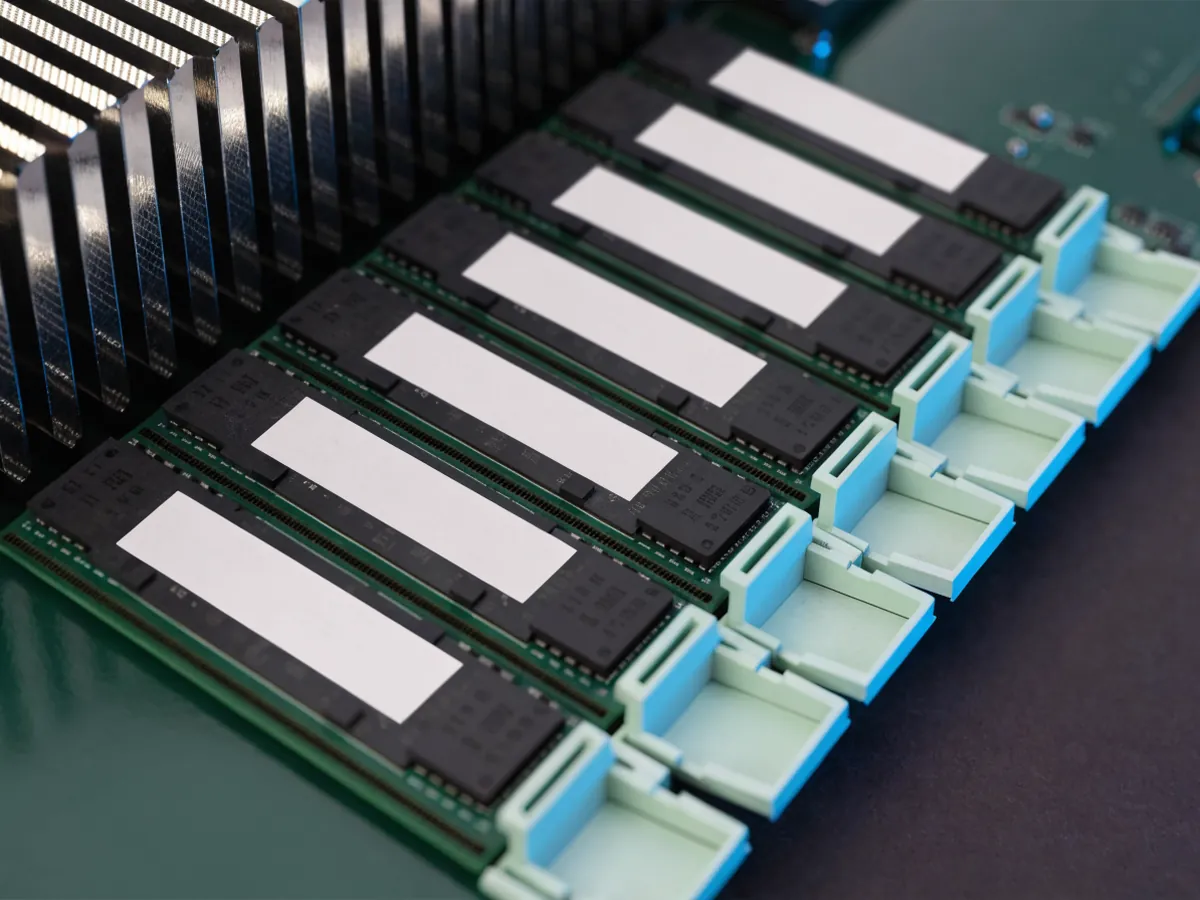
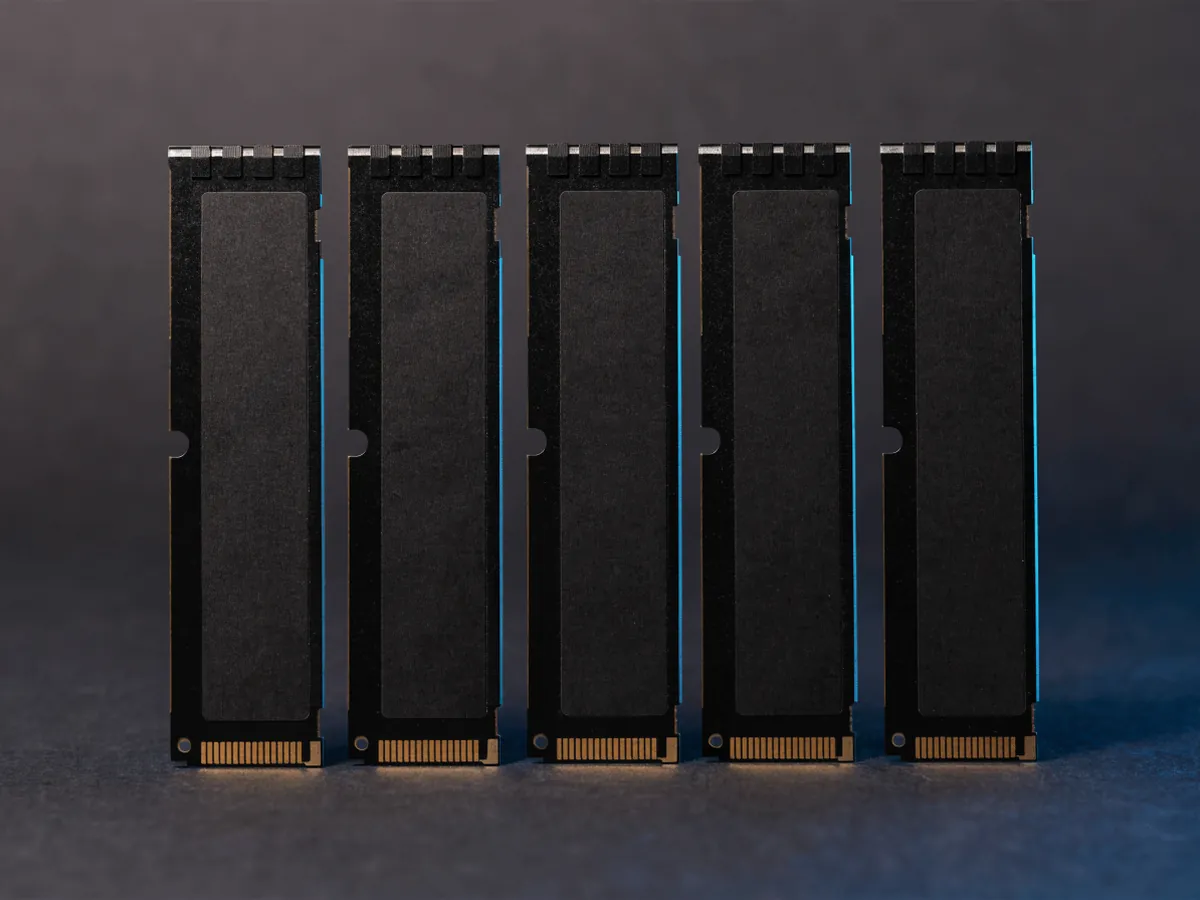
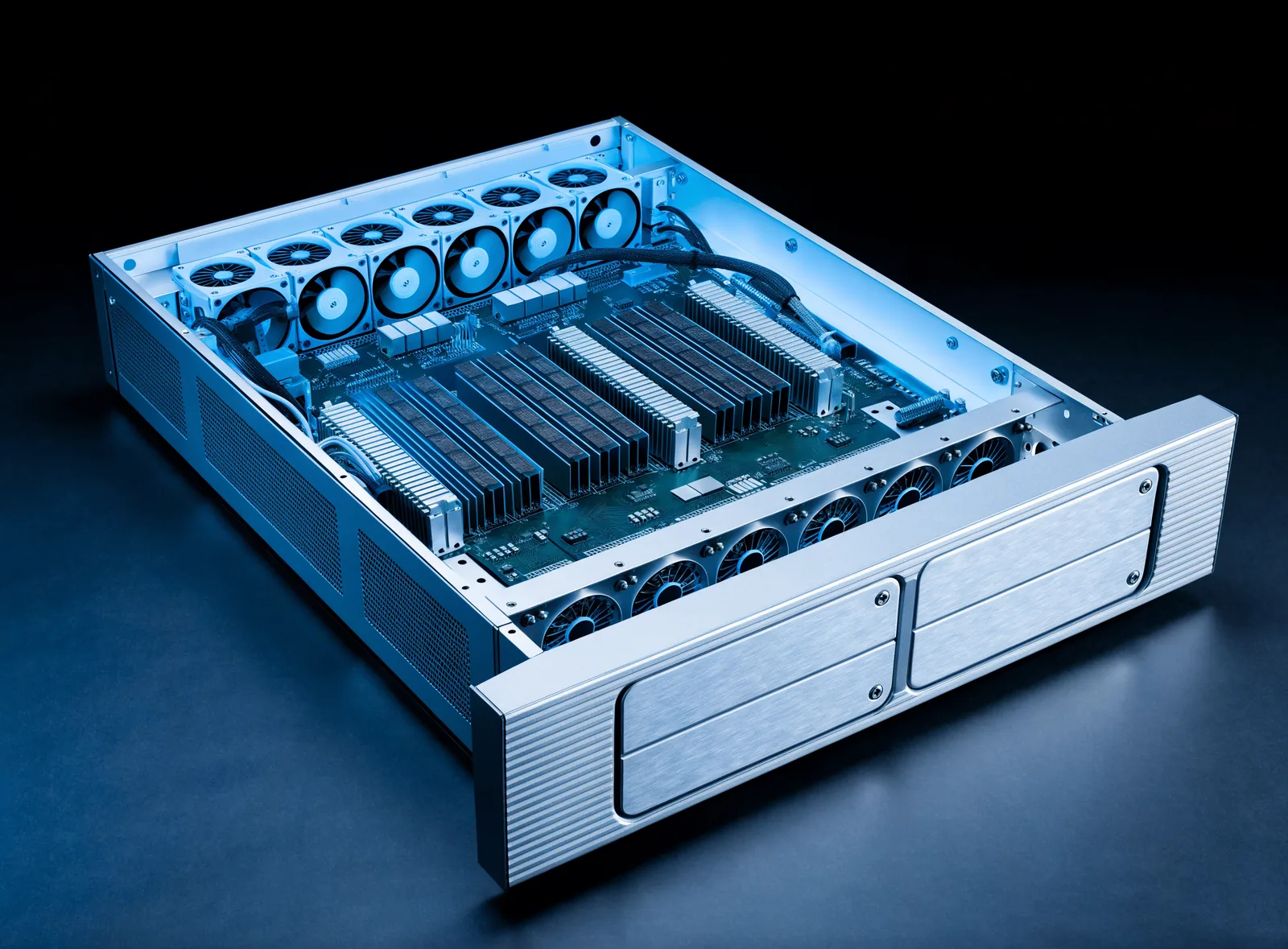
The families below are what circulates in this category on the secondary market, listed so you can work out what you are holding or what you need. None of it is a stock listing and nothing here says GTR Supply holds a particular part. The photographs illustrate the form factor and are not photographs of any named product. Send the part number and the quantity you need and we will tell you where we stand.
DDR4 RDIMM
Samsung, SK hynix and Micron
The registered server module that dominates secondary volume by a wide margin. It comes out of Xeon E5 v3 and v4 rooms and out of the first two Xeon Scalable generations as those fleets retire. Speeds run 2133 through 3200, capacities 8GB to 64GB per module.
- How to spot it
- 288 pins, a full height module carrying error correction. Samsung parts start M393A, SK hynix HMA or HMAA, Micron MTA36 or MTA18. The code beside the capacity reads 1Rx8, 2Rx8 or 2Rx4, and that decides fit.
DDR4 LRDIMM
Samsung, SK hynix and Micron
Load reduced modules, built for the large memory nodes that registered parts cannot fill. They arrive from virtualisation and database hosts at 64GB and 128GB per module, and they do not interchange with RDIMM in the same board.
- How to spot it
- The same 288 pin body as an RDIMM and it will seat in the same slot, so read the label. Samsung M386A, SK hynix parts carrying an L where a registered part carries an R. Rank is usually 4Rx4.
DDR3 RDIMM
Samsung, SK hynix and Micron
The generation that fills older decommissions, out of Xeon 5600 and Xeon E5 v1 and v2 rooms. Modules run 4GB, 8GB and 16GB at 1333 and 1600. Value per stick is low, so it moves by the pallet rather than the tray.
- How to spot it
- 240 pins rather than 288, with the notch in a different place, so it cannot seat in a DDR4 board. Samsung M393B, SK hynix HMT, Micron MT36JSF or MT36KSF. PC3L on the label marks the low voltage part.
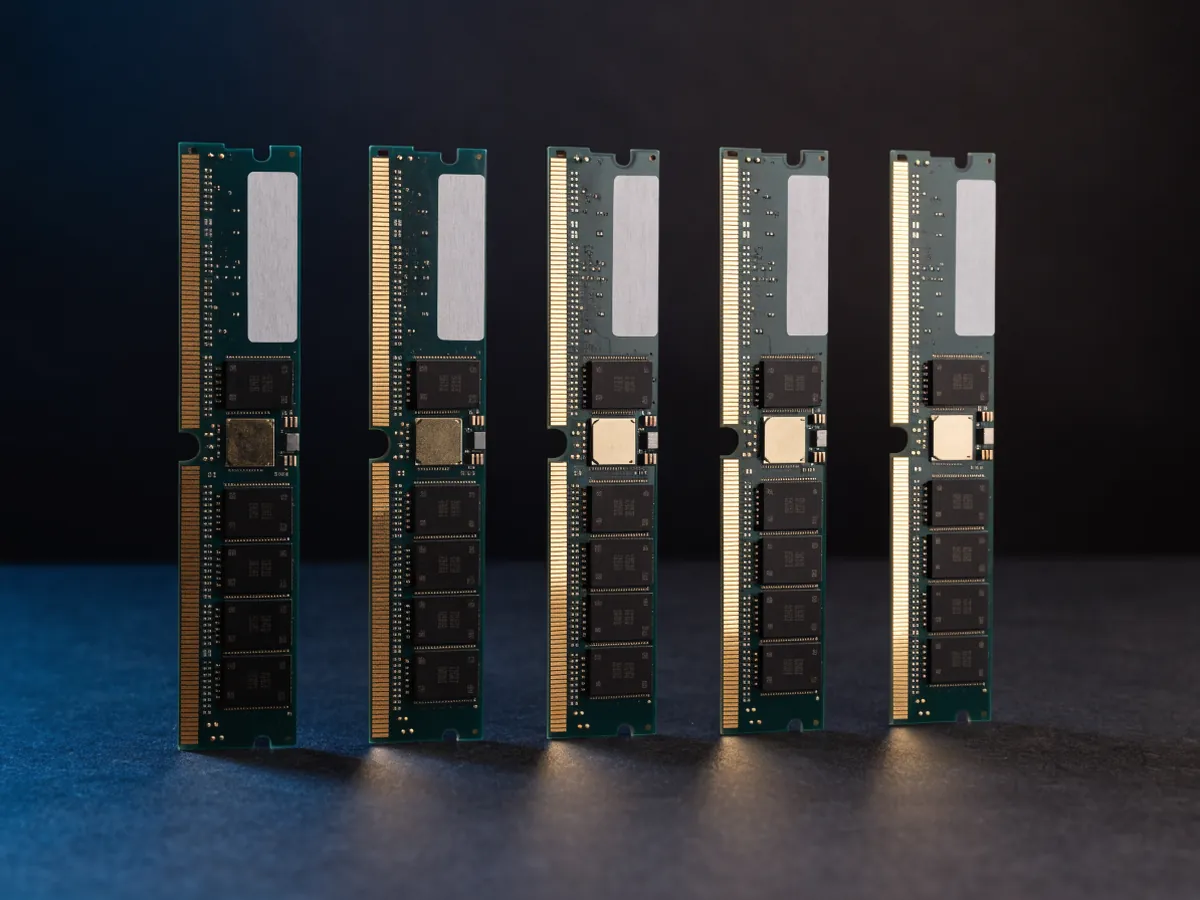
DDR5 RDIMM
Samsung, SK hynix and Micron
The newest server family in circulation, arriving from the first Sapphire Rapids, Emerald Rapids and EPYC Genoa refreshes. Speeds are mostly 4800 and 5600, capacities 16GB through 128GB. Volumes are thin against DDR4 and the parts turn over quickly.
- How to spot it
- 288 pins like DDR4 but the notch is offset, and a power management chip sits on the module itself rather than on the board. Samsung M321R and M329R, SK hynix HMCG, Micron MTC.
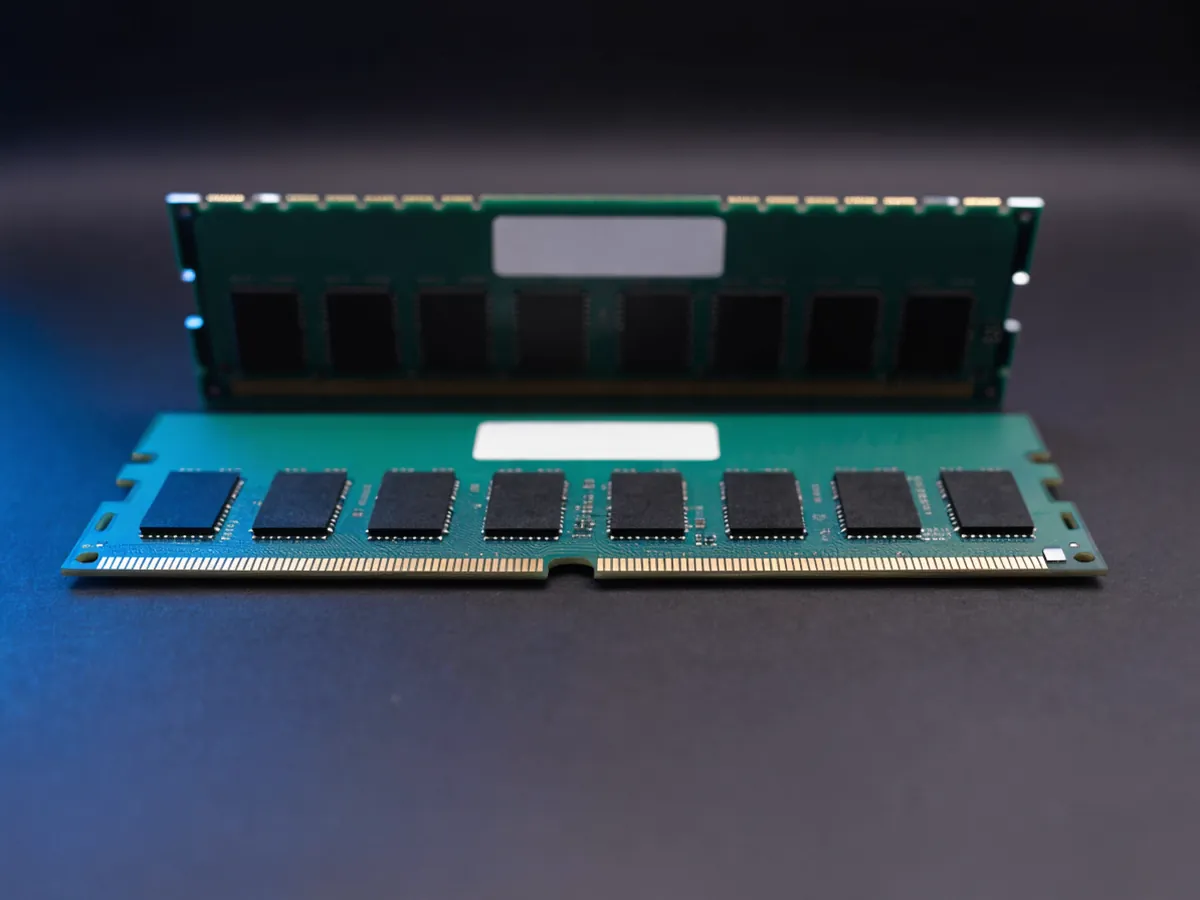
ECC UDIMM
Samsung, SK hynix and Micron
Unbuffered but error correcting, the format entry servers, single socket boards, NAS heads and Xeon E and Xeon W workstations take. It comes out of small business and edge refreshes rather than data centre rows, usually at 8GB, 16GB and 32GB.
- How to spot it
- Samsung M391A on DDR4 and M324R on DDR5, Micron numbers ending AZ with a 72 in the density field. Or count the chips: nine or eighteen means error correcting, eight or sixteen does not.
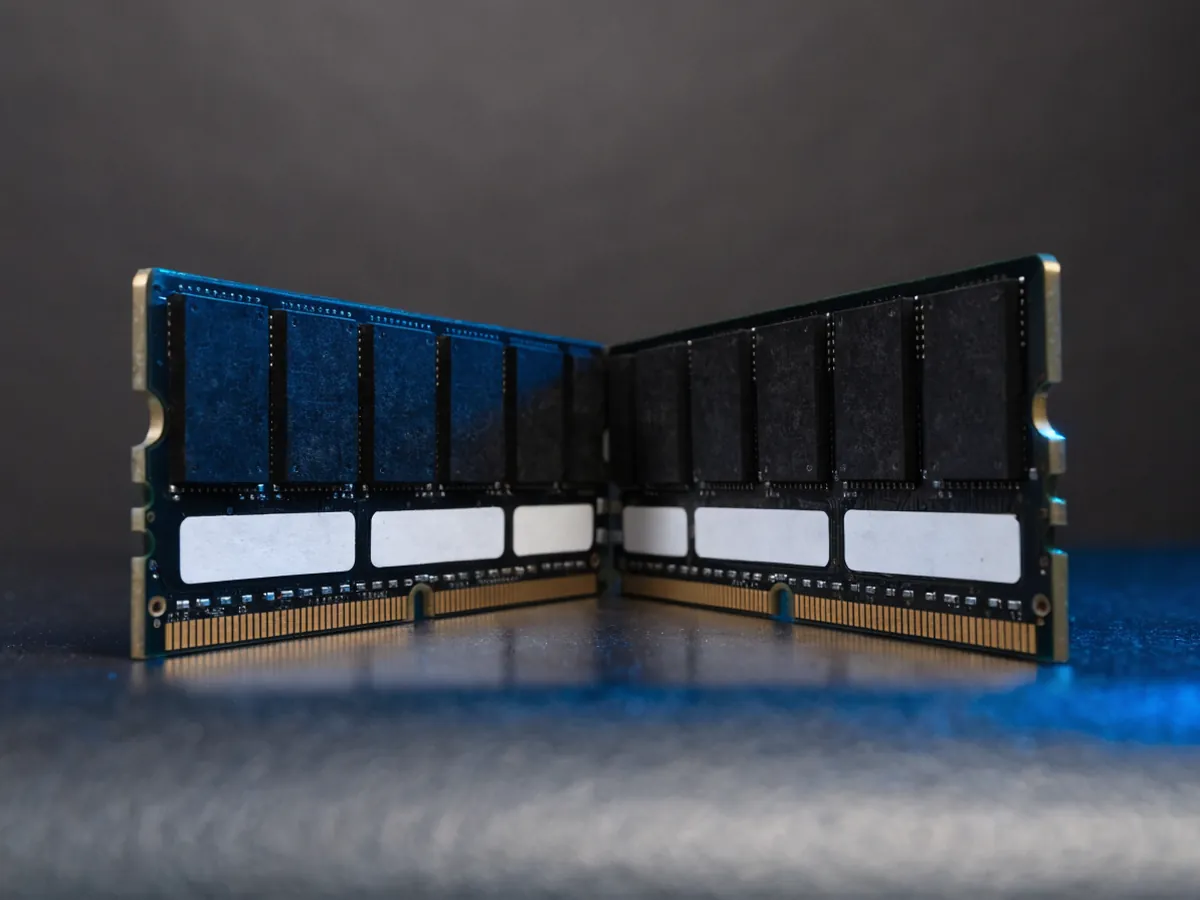
Non ECC UDIMM
Samsung, SK hynix, Micron and Crucial
Desktop memory out of corporate fleet refreshes, released in the same volumes as the small form factor and micro machines it came from. Mostly 4GB, 8GB and 16GB at 2133 through 3200 on DDR4, with DDR5 now appearing.
- How to spot it
- Full length, no error correction, and the density field reads 64 rather than 72. Samsung M378A on DDR4 and M323R on DDR5, SK hynix numbers carrying a U, Micron MTA16ATF and Crucial CT parts.
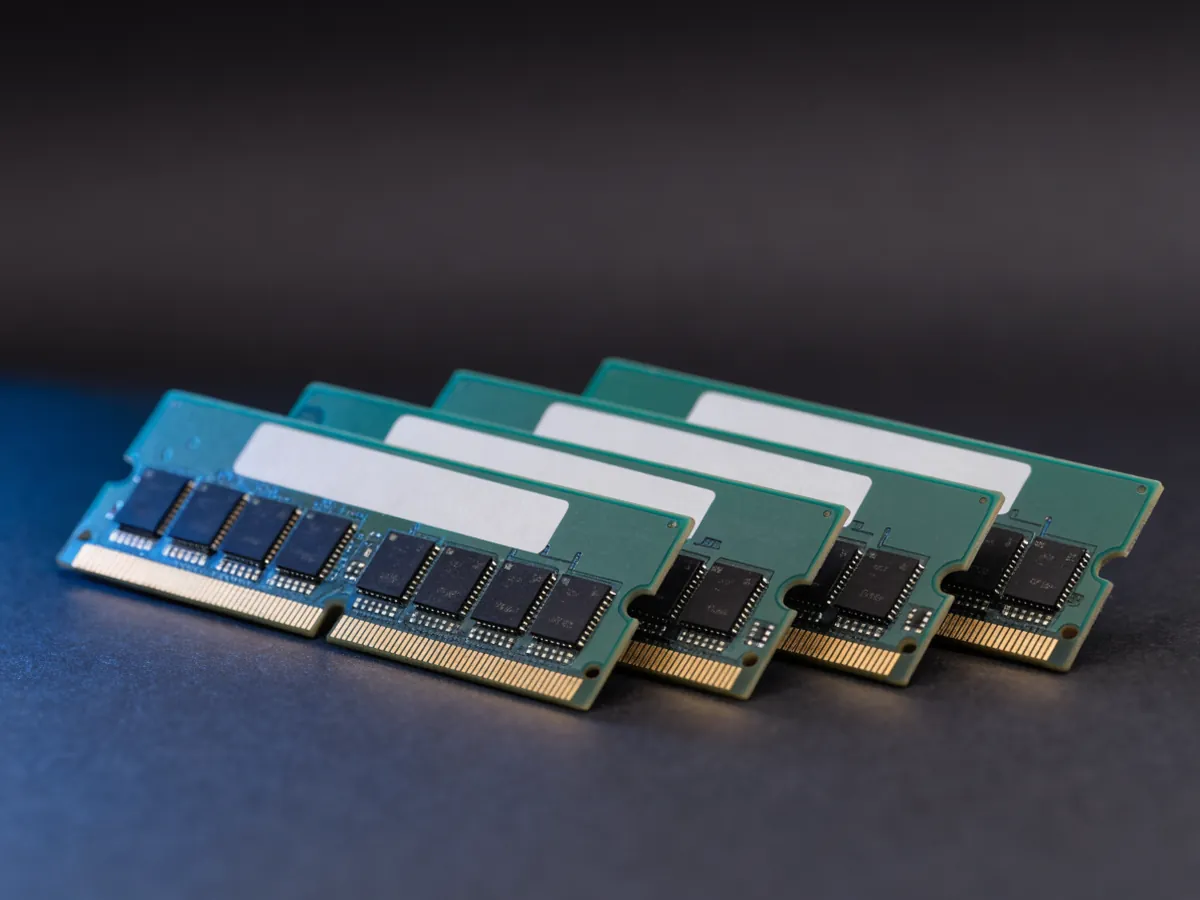
SODIMM
Samsung, SK hynix, Micron and Crucial
Laptop and mini PC memory, and the highest unit count in any corporate refresh because every machine carries one or two. It arrives as clean pulls from lease returns, mostly 8GB and 16GB on DDR4, with DDR5 following behind.
- How to spot it
- About half the length of a desktop module. DDR3 has 204 pins, DDR4 has 260 and DDR5 has 262, so the generations do not interchange. Samsung M471A and M425R, SK hynix numbers carrying an S.
Vendor branded modules: Dell, HPE, Cisco and Lenovo
Samsung, SK hynix or Micron, labelled for the platform
Modules made by one of the three fabs and then programmed and labelled for a server vendor. They come out of whole node decommissions still seated in the machine, and some platforms log a warning against memory that is not the vendor's own part.
- How to spot it
- The vendor number sits on the front of the label, with the fab part number underneath. Dell uses an SNP number and an A number, HPE a B21 option number beside a 001 spare, Cisco a UCS MR number.
Kingston, Crucial and the module houses
Kingston and Micron
Modules assembled from purchased die rather than made from it. Crucial is Micron's own retail brand, so a Crucial part is a Micron part with a different label. Kingston builds and tests its own. Both turn up mixed through server and desktop lots.
- How to spot it
- Kingston server parts read KSM, with the older KTH, KTD, KCP and KCS prefixes still in circulation and KVR on the desktop line. Crucial parts read CT and put the capacity first rather than last.
Trademarks
All product and company names are the trademarks of their respective owners. GTR Supply is an independent trader with no affiliation to, authorization from, or endorsement by any manufacturer named on this page.
Specifications
What we hold in Memory (RAM).
- Generations
- DDR3, DDR4, DDR5
- Server formats
- RDIMM, LRDIMM, ECC UDIMM
- Client formats
- UDIMM Non-ECC, SODIMM
- Module sizes
- 4GB to 128GB per module
- Speeds
- 1600MHz through 5600MHz
- Testing
- Per module, matched kits available
Typical stock
Commonly available.
- Server RDIMM and LRDIMM in bulk quantities
- Desktop Non-ECC UDIMM by exact part number
- Laptop SODIMM including DDR5 modules
- Matched kits pulled from decommissioned servers
- Mixed generation bulk lots with full manifests
Looking for a specific part number?
Send the part number and quantity. We quote against live stock, and if we cannot get it we will say so rather than substitute something else.
Clearing Memory (RAM) rather than buying? Sell your surplus Memory (RAM) to GTR Supply. That page sets out what we take, what your list needs to carry for Memory (RAM), and what moves the number up or down.
Request a quote
Get pricing on Memory (RAM).
Tell us the specification and volume you need. Most requests are quoted the same business day, against a full manifest so you can price accurately.
Common questions
Memory (RAM) questions, answered.
Can you match an exact memory part number?
Yes, and we would encourage it. Send the manufacturer part number together with the quantity and we will quote against that exact module.
Memory is the category where a loose specification causes the most expensive mistakes. ECC and non-ECC modules are not interchangeable. Registered, load reduced and unbuffered modules are not interchangeable either. A board that expects RDIMM will not post with UDIMM installed, and that failure arrives after you have taken delivery of the whole order rather than while you are still deciding.
Capacity and speed alone do not settle it. Rank configuration and module height can each stop a module working in a particular chassis even when the headline specification appears to match.
If you can read the part number off a module already running in the machine, that is the most reliable input you can give us.
Do you supply ECC and non-ECC memory?
Both. We carry registered and load reduced ECC modules for server platforms alongside unbuffered non-ECC modules for desktops and workstations, across DDR3, DDR4 and DDR5.
The distinction is worth being precise about, because the terms get used loosely. ECC describes error correction. Registered, sometimes called buffered, describes how the module presents its address lines to the memory controller. The two are related but they are not the same thing, and ECC unbuffered modules sit between the two camps and suit certain workstation boards specifically.
What your platform accepts is set by the memory controller, not by preference, so it is not a decision available to you at purchase time. Send the server or board model along with the capacity you are targeting and we will confirm which of these you actually need before anything is quoted.
Are modules tested before shipping?
Yes. Every module is tested and graded before it leaves us, and matched kits are verified together as a set rather than only as individual sticks.
Testing modules as a kit matters because memory faults often appear only under population. A module can pass in isolation and still fail once it is running alongside three others on the same channel at full rated speed, which is exactly the condition it will meet in your server. Verifying the set together catches that here instead of after it is racked.
Results are recorded against the lot, so what you receive is backed by an actual test pass rather than an assumption that pulled memory is probably fine.
If your deployment needs a specific arrangement, such as a full eight module set per socket, tell us at quote stage so it is tested in that configuration.
What volumes do you handle?
From around 50 modules up to several thousand. Memory sits at the smaller end of our minimums because module values are high relative to their size, so a worthwhile lot does not need to fill a pallet.
Send the specification and the quantity together. For memory in particular the specification does more work than the quantity in determining whether we can help, because a common server RDIMM in a popular capacity is a completely different proposition from a specific high capacity module that only appears when a particular platform is decommissioned.
If you have flexibility on manufacturer, that usually helps the price, since equivalent modules from different vendors are genuinely interchangeable in most server platforms. If you need a single brand across the whole order for support reasons, say so up front and we will treat it as a firm constraint.
Guides
Buying Memory (RAM) by the lot is a different exercise from buying one unit at a time. These cover the questions that come up before a price is worth discussing.
Brands
Nobody buys or sells Memory (RAM) well without knowing exactly which generation and configuration is in front of them, and the number that tells you sits somewhere different on every manufacturer's hardware. These pages show where to look and how to read what you find. They are identification help rather than stock lists, so send the part number and the quantity and we will tell you where we stand.
Dell PowerEdge Servers: How to Identify What You Have
Reading a PowerEdge model number
HPE ProLiant Servers: How to Identify What You Have
The product number, and why it says more than the model name
Server Processors: Identifying Intel Xeon and AMD EPYC
Intel: the spec code on the heat spreader
Server Memory Brands: Samsung, SK hynix and Micron
Three fabs, many labels, and where Kingston and Crucial sit
Every brand GTR Supply buys and sells, grouped by category, with the identification detail for each one.
Other categories

Let's talk hardware.
Tell us what you are buying or selling. We will get you a number fast.
Prefer WhatsApp? Message us on (945) 397-7765