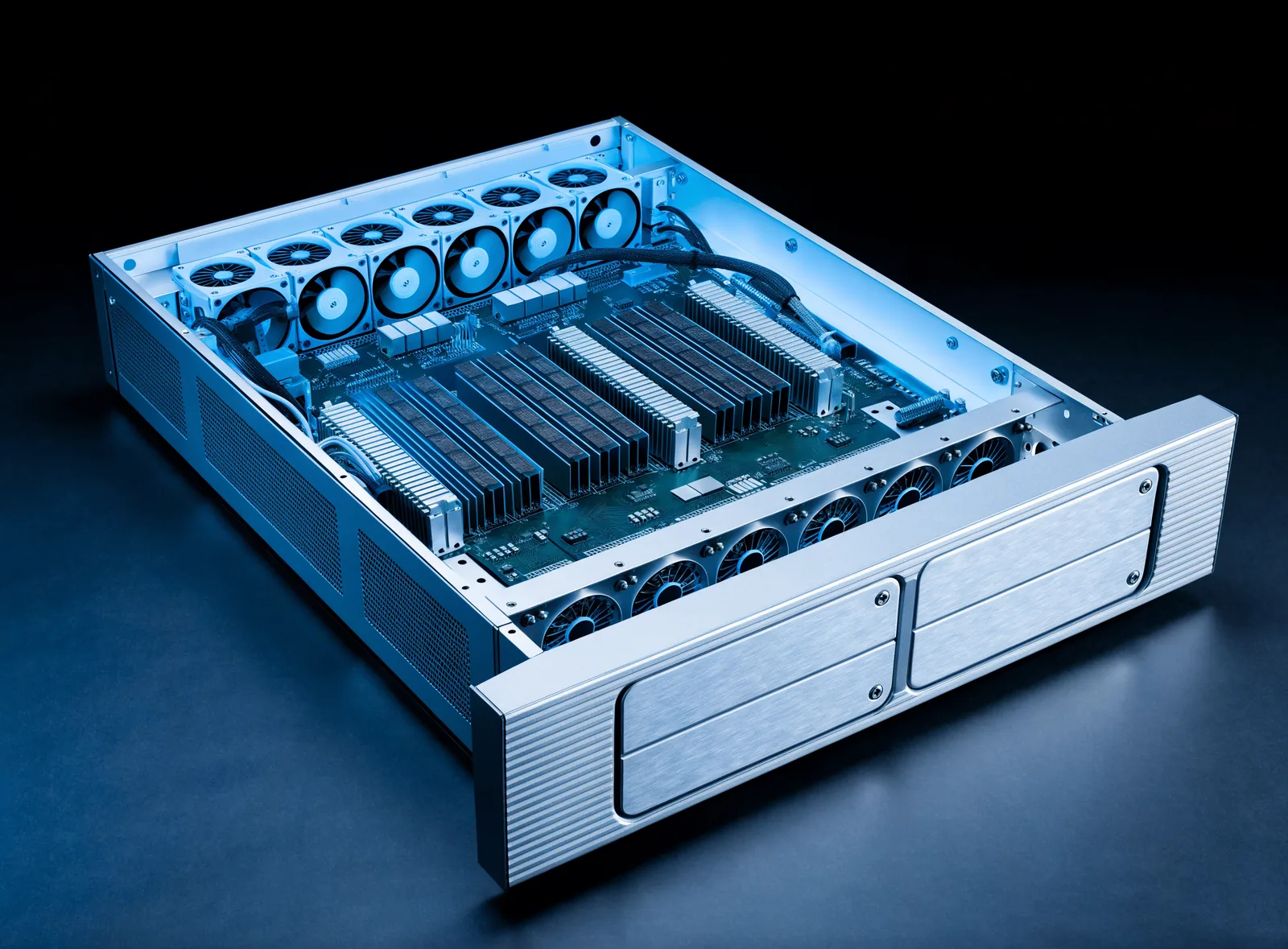
Refurbished and Bulk Server Supplier
We supply rackmount servers in volume, from bare chassis through to fully configured and tested nodes. Systems can be supplied to your specification for processor, memory and storage, so what arrives is ready to rack rather than ready to rebuild. Every system is tested and shipped with a configuration manifest.
In circulation
Servers makes, models and part numbers.
What actually moves in bulk is not the current flagship. Volume in the enterprise secondary market is carried by Dell PowerEdge 13G and 14G and by HPE ProLiant Gen9 and Gen10, with 15G and Gen10 Plus now steady and 16G and Gen11 only beginning to arrive off lease. Alongside those two lines, Lenovo ThinkSystem with its IBM System x heritage, Supermicro sold as separate boards and chassis rather than as finished machines, and Cisco UCS C series racks all appear repeatedly across independent refurbisher catalogues.
None of this is a stock list
The families below are what circulates in this category on the secondary market, listed so you can work out what you are holding or what you need. None of it is a stock listing and nothing here says GTR Supply holds a particular part. The photographs illustrate the form factor and are not photographs of any named product. Send the part number and the quantity you need and we will tell you where we stand.
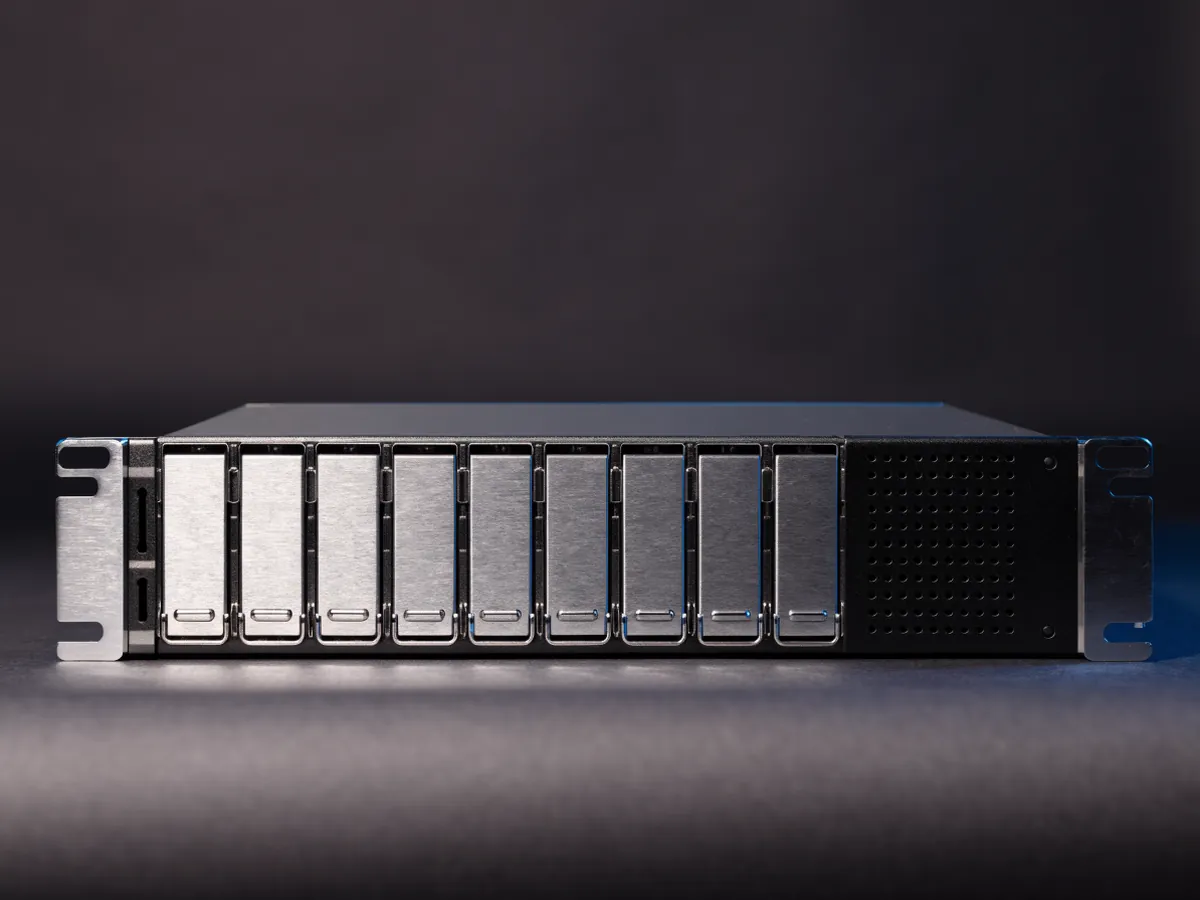
Dell PowerEdge R series rack servers, 13G to 16G
Dell
The 1U and 2U rack line that fills more racks than anything else, and the bulk of what comes out of a corporate or colocation decommission. 13G and 14G still dominate volume, 15G moves steadily, and 16G is only now reaching the used market. Suits fleet rebuilds and cluster work.
- How to spot it
- R is rack. A three digit number is Intel and the middle digit is the generation, so R730 is 13G and R740 is 14G. Four digits mean AMD. A seven character service tag sits on the front pull tab.
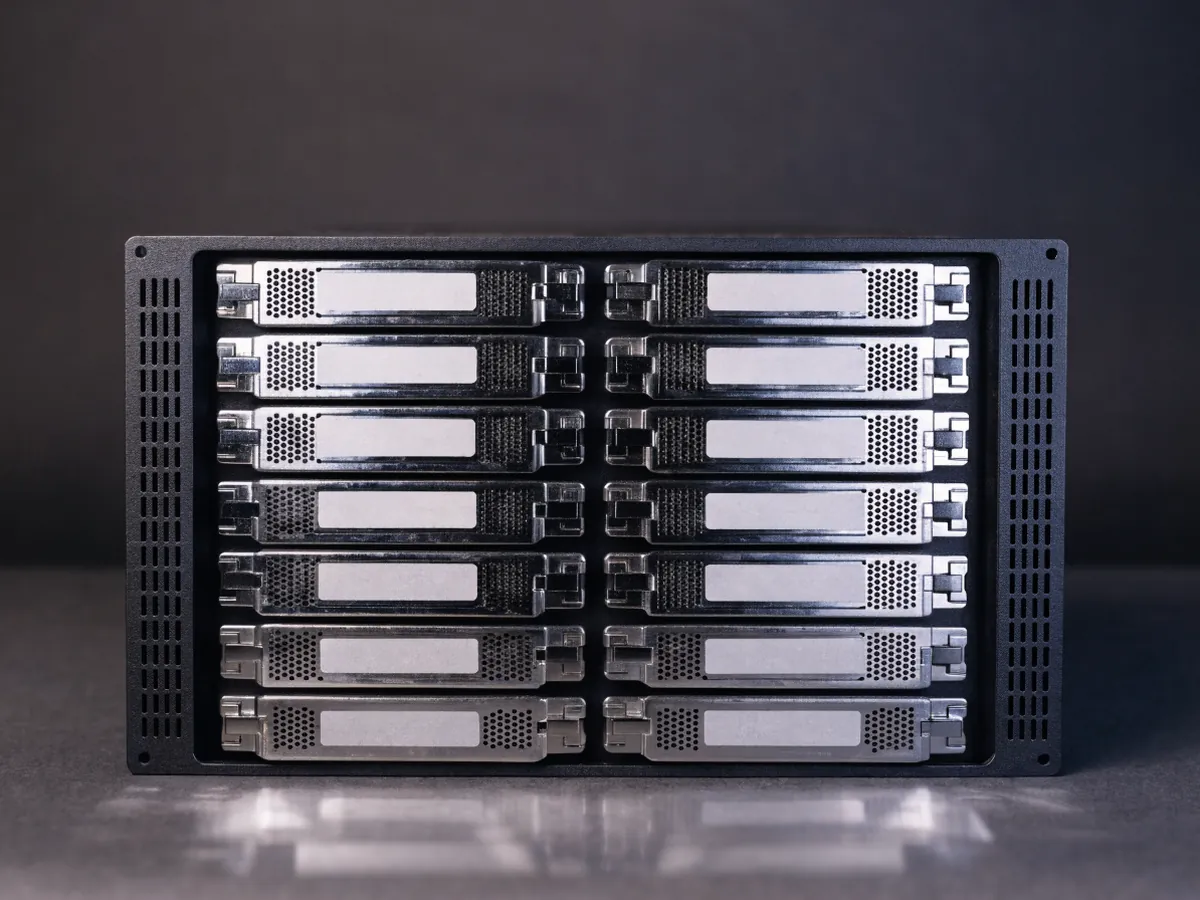
HPE ProLiant DL rack servers, Gen9 to Gen11
HPE
The other high volume rack line, sold as DL360 in 1U and DL380 in 2U across several generations. Gen9 and Gen10 carry most of the secondary volume from enterprise refreshes, with Gen10 Plus and Gen11 arriving as leases end. Suits general virtualisation fleets.
- How to spot it
- DL is rack, ML is tower. The generation is the suffix, and Gen10 Plus is a different server from Gen10. The product number on the front pull tab identifies the drive cage, not the model name.
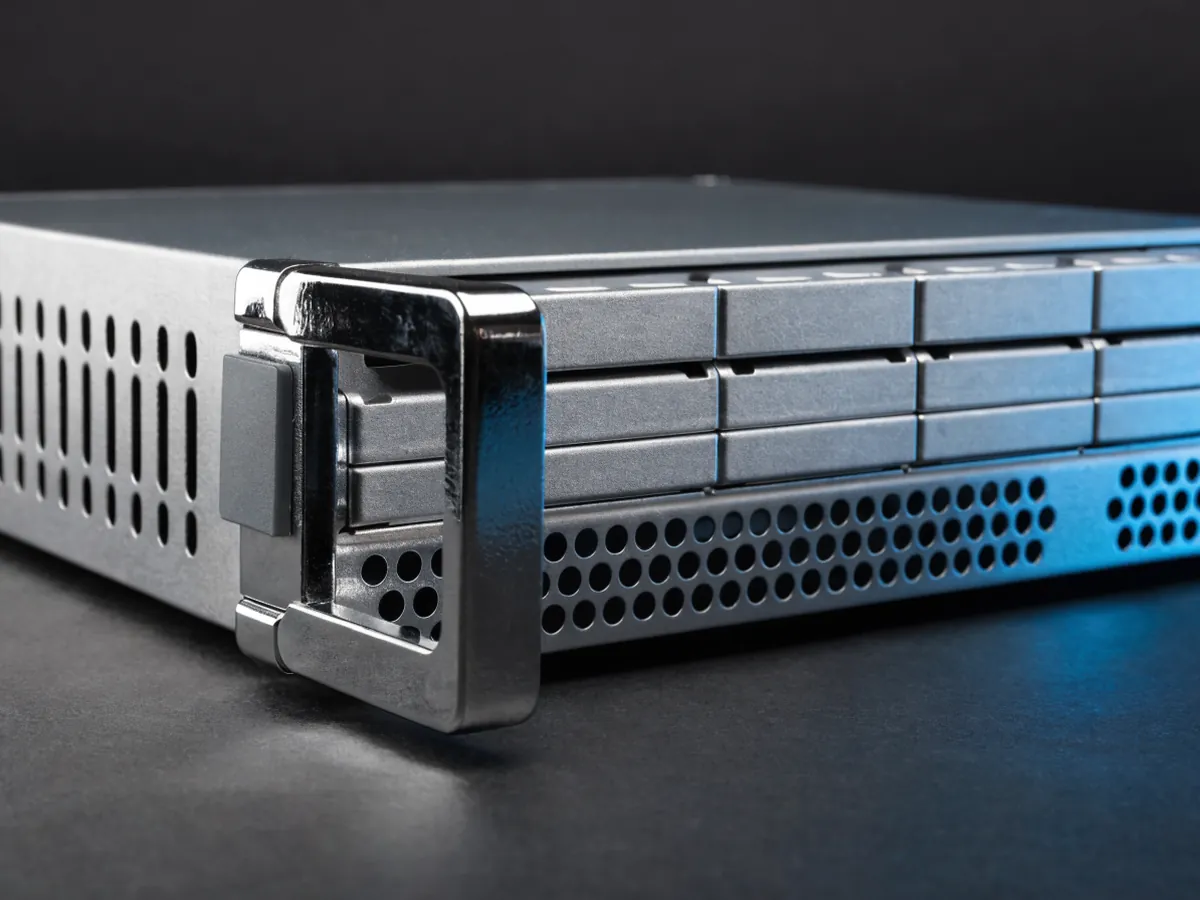
Lenovo ThinkSystem SR and the System x heritage
Lenovo, and IBM before it
Lenovo's rack line, SR630 in 1U and SR650 in 2U, with V2 and V3 revisions on later processor platforms. Behind it sits the IBM System x heritage, x3550 and x3650 through M4 and M5, which still turns up in older rooms and smaller business estates.
- How to spot it
- SR is rack, ST is tower. The real identifier is a four character machine type on the label in the right rack latch, so an SR650 reads 7X05 or 7X06 and an x3650 M5 reads 5462 or 8871.
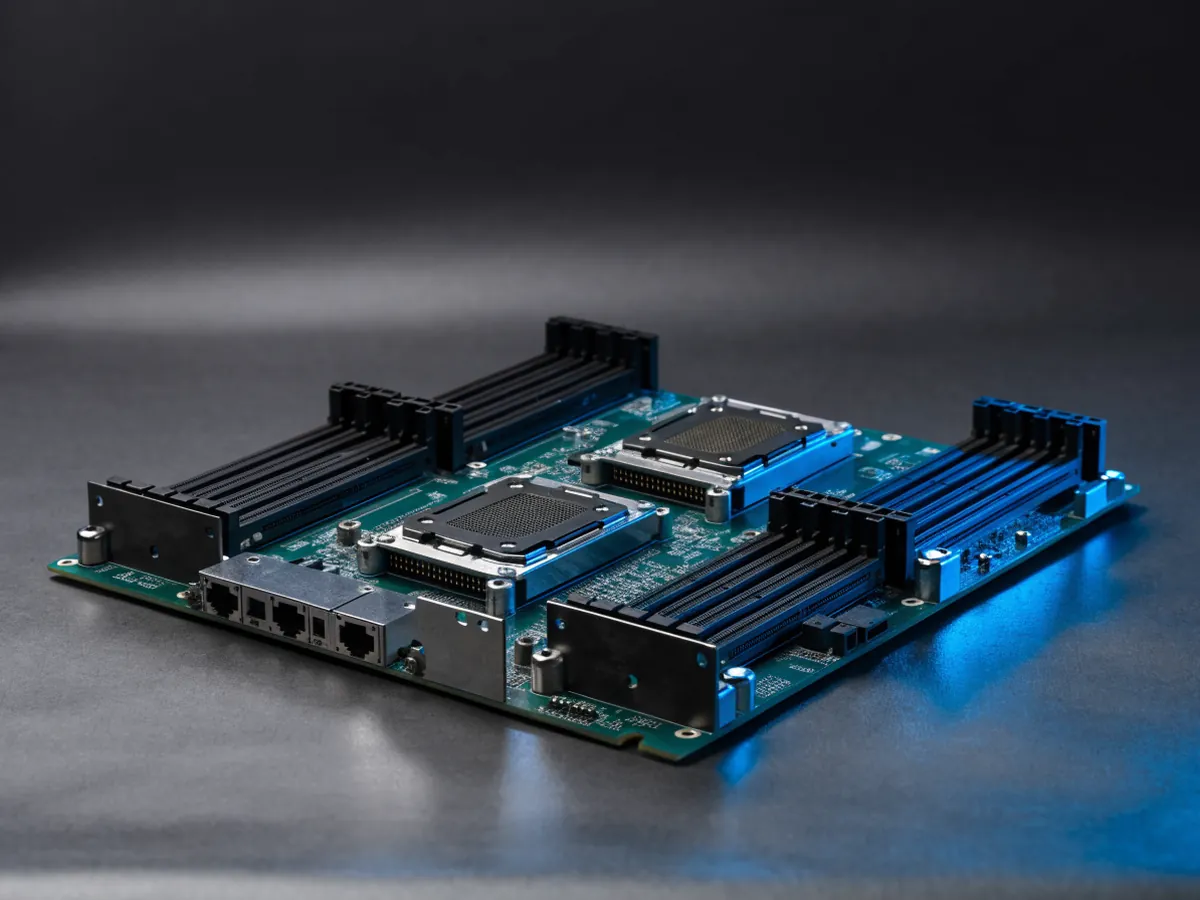
Supermicro SuperServer systems, chassis and boards
Supermicro
Sold as complete systems and as separate boards, chassis, backplanes and rails, so a Supermicro lot is usually a set of parts rather than a set of servers. Heavy circulation from hosting providers and build to order shops. Suits rebuild programmes and bare chassis work.
- How to spot it
- There is no service tag. SYS is a complete system, MBD a board, CSE a chassis, BPN a backplane. The board model is silkscreened on the board itself, X11 and X12 on Intel, H11 to H13 on AMD.
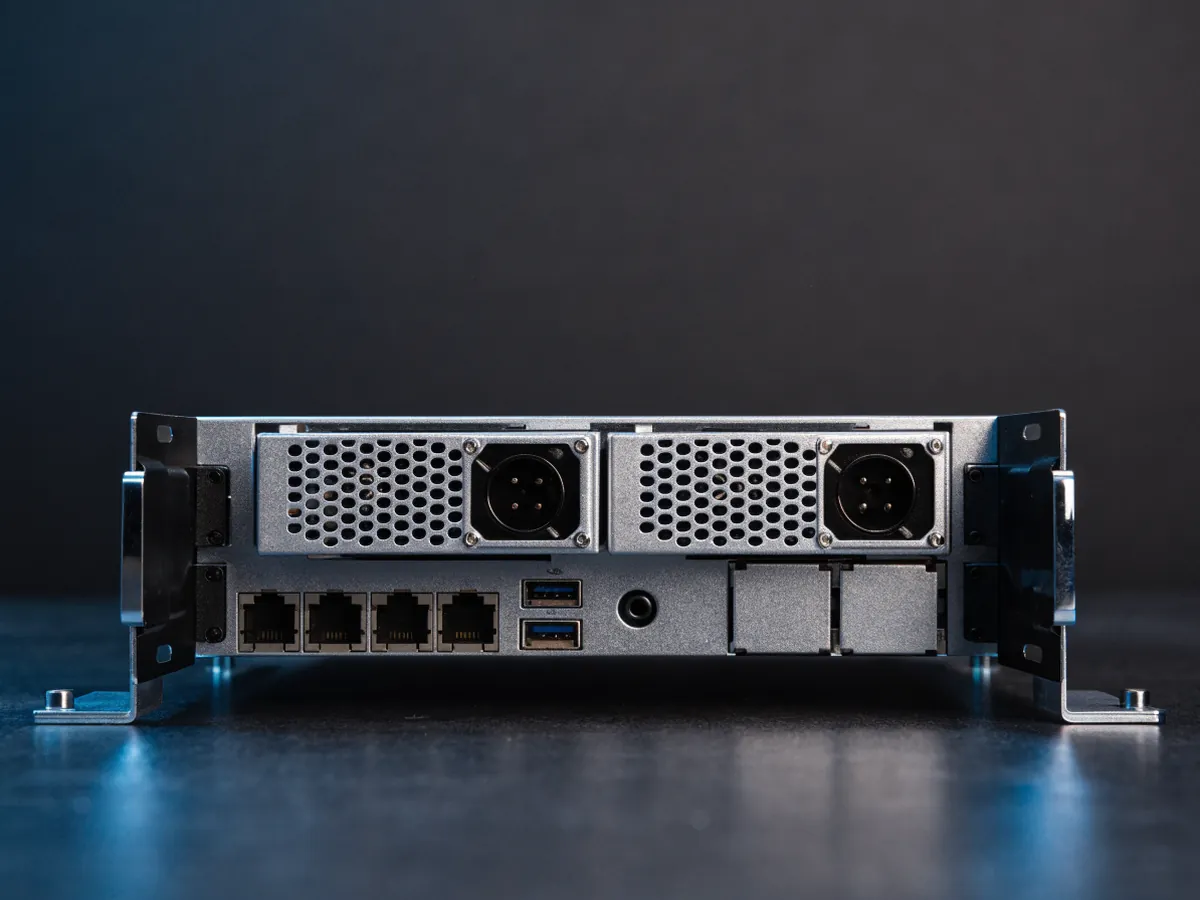
Cisco UCS C series rack servers and fabric interconnects
Cisco
The C220 in 1U and C240 in 2U across M4, M5 and M6, pulled from telco and enterprise estates. They run standalone or under a fabric interconnect pair, and a rack lot without the interconnects is a different purchase from a managed UCS domain.
- How to spot it
- Cisco quotes a product ID rather than a model name, so a C220 M5 reads UCSC-C220-M5SX and a fabric interconnect reads UCS-FI-6332 or UCS-FI-6454. The product ID is on the label and in the management interface.
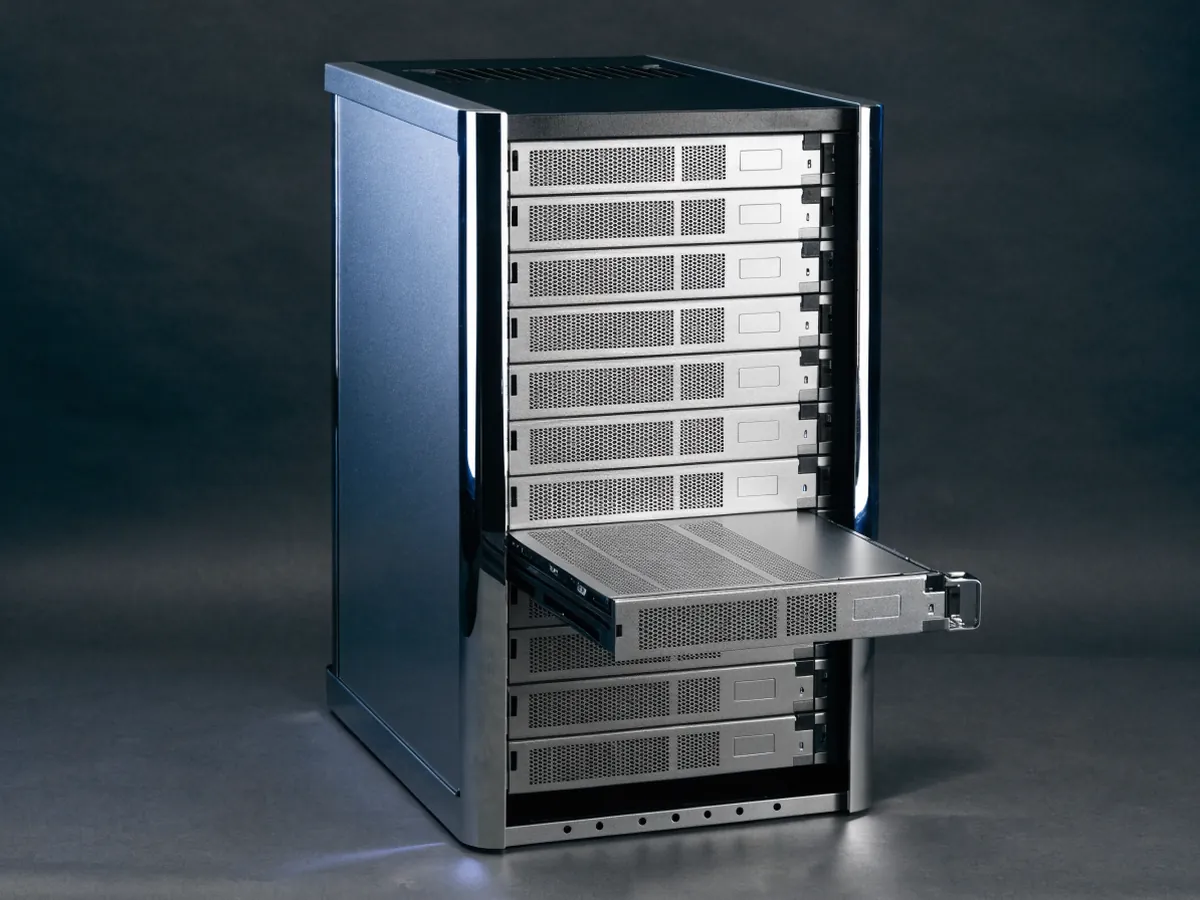
Blade servers and their enclosures
Dell, HPE and Cisco
Half height and full height sleds that only work inside their own chassis: Dell M series in an M1000e and MX sleds in an MX7000, HPE BL460c in a c7000, Cisco B200 in a 5108, and the newer X210c in an X9508. Whole enclosures come out of decommissions intact.
- How to spot it
- The sled carries its own model number and the enclosure carries another, so both need listing. Blades have no rails and no power supplies of their own, and interconnect and fabric modules sit in the rear of the chassis.
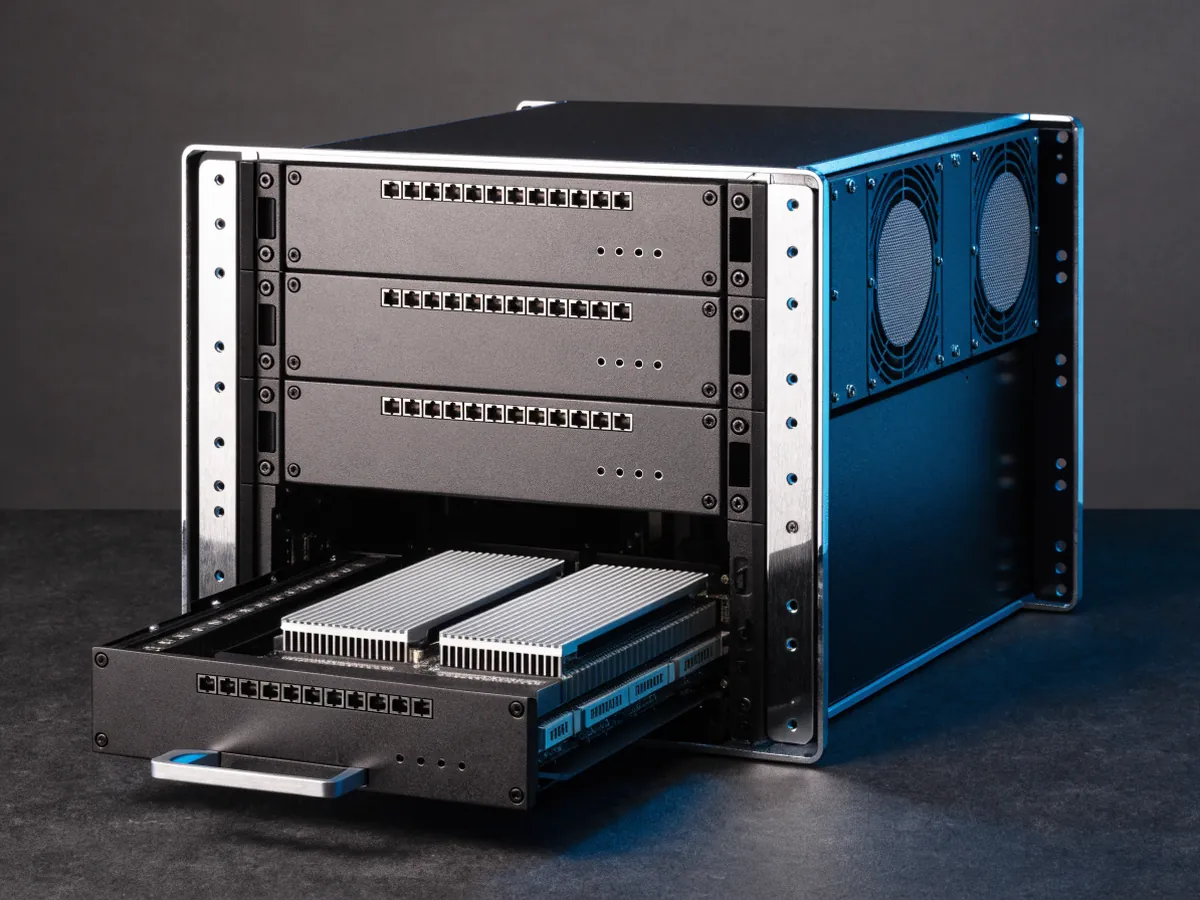
Multi node sleds, four nodes in 2U
Dell, HPE and Supermicro
Four independent two socket nodes sharing one 2U chassis and its power, built for HPC and dense virtualisation. Dell C6420 and C6525 in a C6400 chassis, HPE XL170r nodes in an Apollo r2600, and the Supermicro BigTwin and FatTwin lines. Released in large matched batches.
- How to spot it
- A node on its own and a populated chassis are different items, so count both. The node slides out of the rear, the drive bays at the front belong to the chassis and are split between nodes by the backplane.
ODM and Open Compute hyperscale nodes
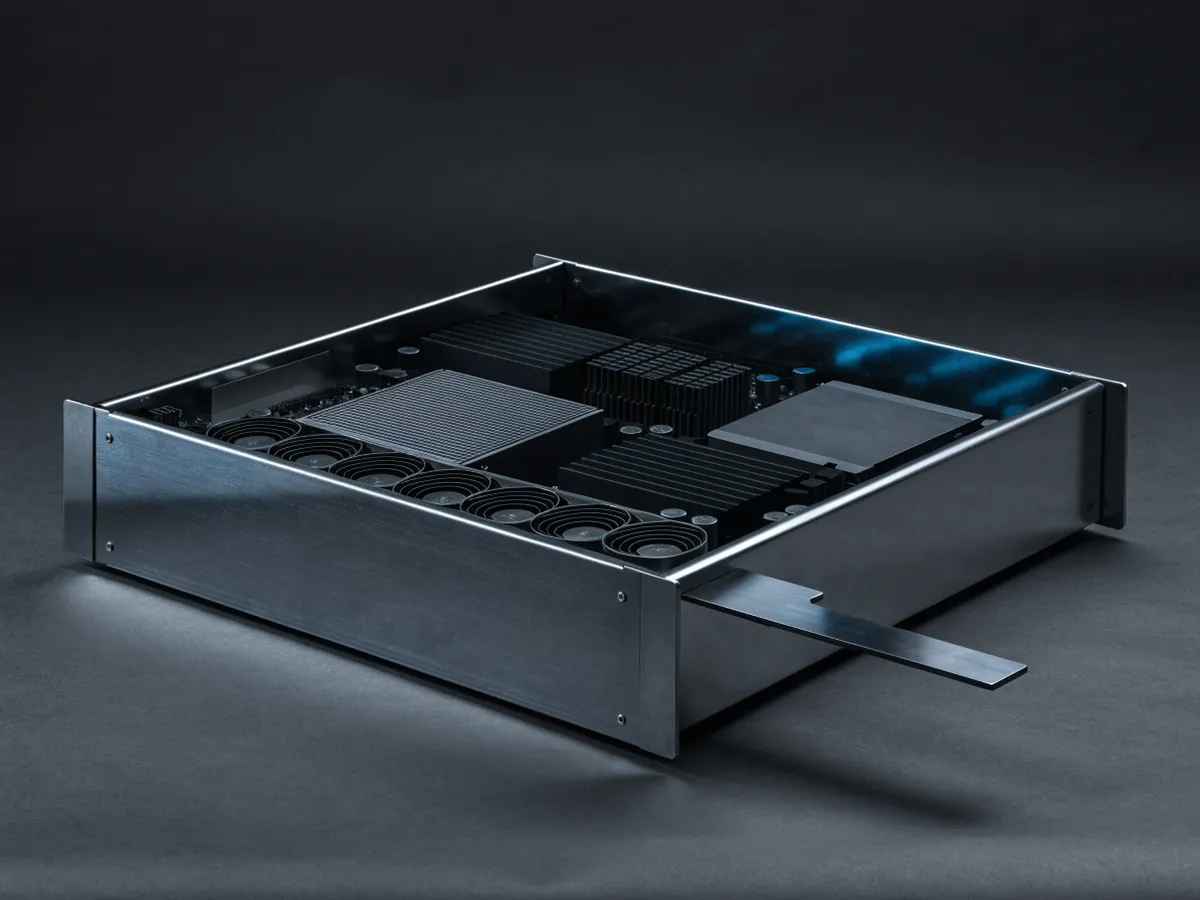
Quanta QCT, Wiwynn, Inspur and other ODMs
The whitebox nodes hyperscalers buy direct and retire in enormous batches, which is why they dominate bulk volume. Quanta QuantaGrid and QuantaPlex, Wiwynn, Inspur and ZT builds, plus Open Compute designs such as Tioga Pass. Suits buyers who want compute density and can live without an OEM support path.
- How to spot it
- Little or no branding, often just an operator asset tag. Quanta reads QuantaGrid D52B or QuantaPlex T42S. Open Compute nodes are 21 inch, take power from a rack busbar rather than a cord, and have no rails.
High density storage servers
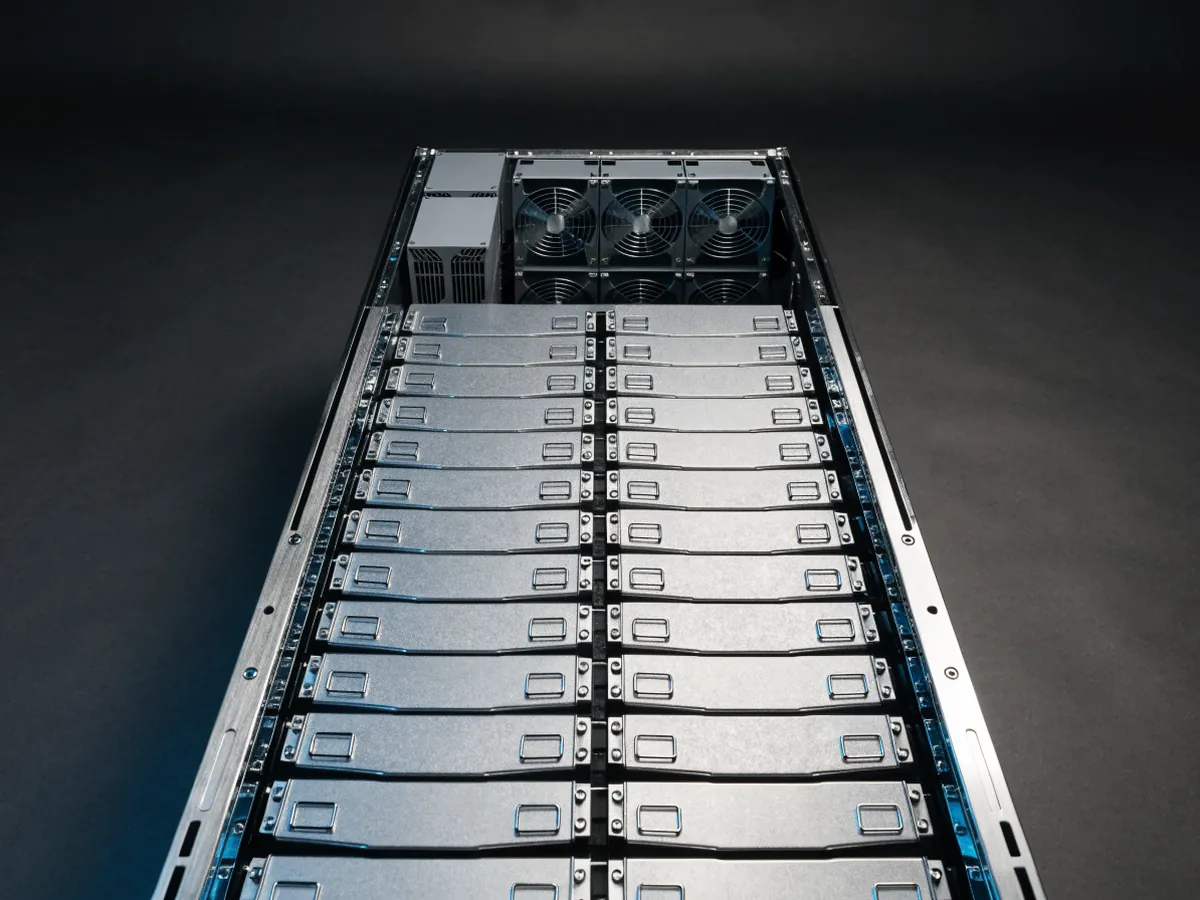
Supermicro, HPE and Dell
Servers built around drive count rather than compute, from 12 bay 2U chassis up to 4U machines carrying 36, 60 or 90 drives. Supermicro CSE-846 and CSE-847, HPE Apollo 4200 and 4510, Dell R740xd and R740xd2. They come out of backup, media and object storage estates.
- How to spot it
- Read the bay count and the backplane, not the model name. A Supermicro CSE-826 is 12 bays in 2U, CSE-846 is 24 in 4U and CSE-847 is 36. Direct attach and expander backplanes need different controllers.
GPU and accelerator server platforms
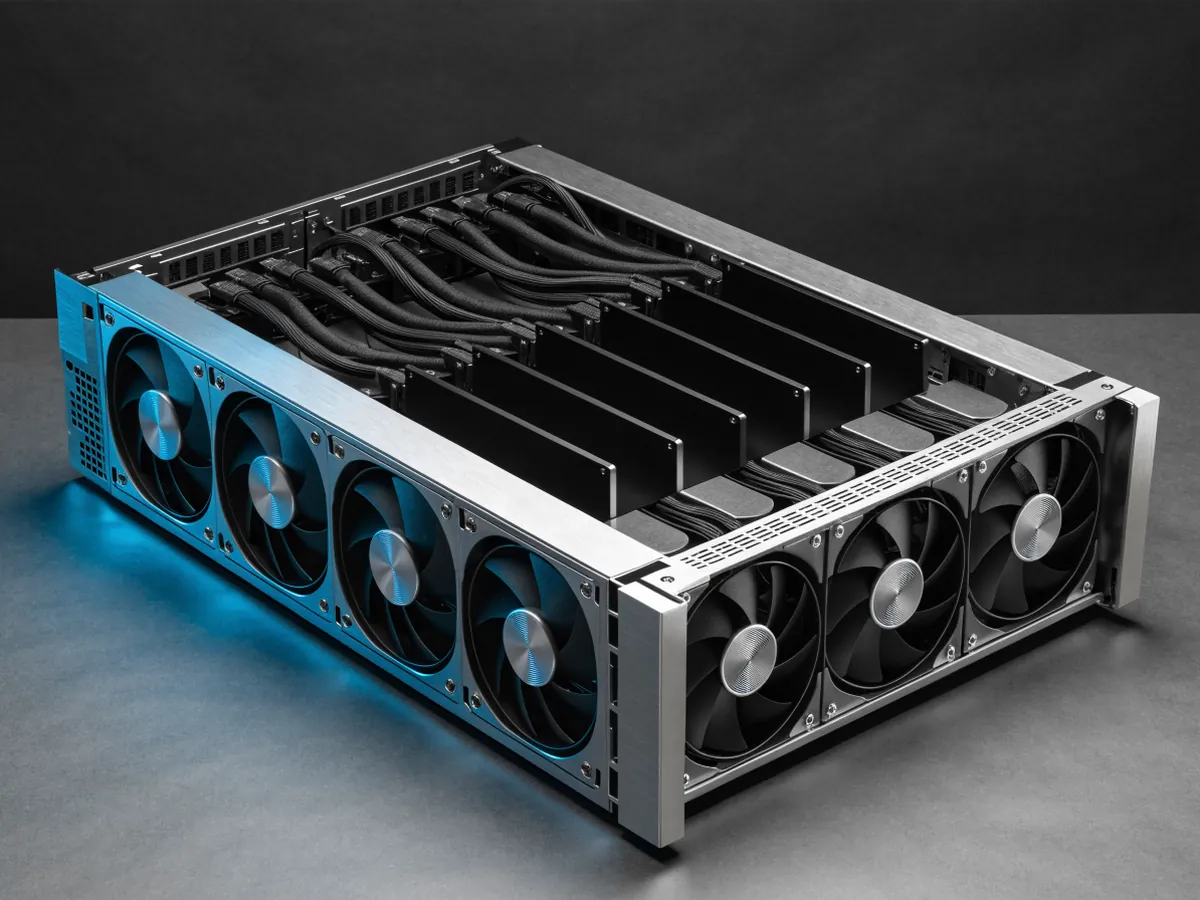
Supermicro, Dell, HPE and Nvidia
Chassis built to carry four to ten full length accelerators, with the power, risers and airflow to match. Supermicro 4U GPU systems, Dell DSS 8440 and R750xa, HPE Apollo 6500, and Nvidia DGX nodes. They reach the market as AI estates are refreshed.
- How to spot it
- Usually 4U, with a fan wall across the middle and accelerator cages behind it. Say whether the cards are fitted, whether risers and GPU power cables are present, and whether the board takes PCIe cards or an SXM baseboard.
Trademarks
All product and company names are the trademarks of their respective owners. GTR Supply is an independent trader with no affiliation to, authorization from, or endorsement by any manufacturer named on this page.
Specifications
What we hold in Servers.
- Form factors
- 1U, 2U, 4U and blade
- Configurations
- Bare chassis to fully populated
- Build to spec
- CPU, memory and storage to order
- Conditions
- Refurbished and tested
- Typical volume
- 5 to 500+ nodes
- Testing
- Full burn in, config manifest supplied
Typical stock
Commonly available.
- 1U and 2U rackmount servers configured to specification
- Compute nodes from data center decommissions
- Bare chassis for rebuild programmes
- Storage servers with populated drive bays
- Matched batches for cluster deployments
Looking for a specific part number?
Send the part number and quantity. We quote against live stock, and if we cannot get it we will say so rather than substitute something else.
Clearing Servers rather than buying? Sell your surplus Servers to GTR Supply. That page sets out what we take, what your list needs to carry for Servers, and what moves the number up or down.
Request a quote
Get pricing on Servers.
Tell us the specification and volume you need. Most requests are quoted the same business day, against a full manifest so you can price accurately.
Common questions
Servers questions, answered.
Can servers be configured to my specification?
Yes. Tell us the processor, memory and storage configuration you need and we will build to it and test it before anything ships.
The point of working this way is that what arrives is ready to rack rather than ready to rebuild. Buying bare chassis and populating them yourself is perfectly viable if you have the parts and the labour, but it usually means running a second procurement exercise for memory and drives, then building and testing every node before any of it earns anything.
Useful things to specify: processor generation and core count, total memory and how it should be distributed across channels, drive count and capacity, and the RAID or HBA arrangement you expect. If you have a reference configuration from an existing fleet, send that and we will match it rather than approximate it.
Are servers burn in tested?
Yes. Systems are burn in tested before dispatch and ship with a configuration manifest listing exactly what is in each node.
Burn in matters more for complete systems than for individual components, because a server failure is rarely one part misbehaving on its own. It is usually a marginal component that shows itself only under sustained thermal and electrical load with everything else running alongside it. A short power on test will not surface that. A prolonged run under load will.
The configuration manifest matters for a different reason. When a node arrives you need to know what is actually inside it without opening the lid, particularly if you are receiving a batch and need to confirm the nodes are consistent with one another.
If your deployment has a specific burn in duration or test requirement, tell us and we will work to it.
Can you supply matched batches for a cluster?
Yes. For cluster deployments we supply matched nodes from the same batch wherever possible, and we treat it as a requirement rather than a preference once you tell us it is one.
Consistency across a cluster is worth more than it first appears. Nodes that differ in processor stepping, firmware level or memory configuration will still work individually, but they complicate everything that follows: performance becomes uneven, imaging and automation need exceptions, and troubleshooting turns into comparing machines that should have been identical.
Flag it at quote stage so it is built into how the lot is put together. Twenty matched nodes is a different exercise from twenty nodes, and it cannot be corrected after the order is placed without breaking into another lot.
Tell us the node count and anything that must be identical across all of them.
How are servers shipped?
Palletized and insured, with tracking from dock to door. We ship across the United States, the United Kingdom, Mexico and worldwide.
Servers are heavy, rack mounted and awkward, which makes packaging a real part of the value rather than an afterthought. Rails, bezels and drive caddies are the parts most often damaged or lost in transit, so they are packed deliberately rather than travelling loose with the chassis.
Tell us about the receiving end before the lot ships. Whether the destination has a loading dock, whether a tail lift is needed, and whether there are delivery windows or appointment requirements all change how the shipment should be booked. A pallet that arrives at a site with no dock and no forklift costs more to resolve after the fact than it would have cost to plan around.
For international shipments, confirm the customs and import position early.
Guides
Buying Servers by the lot is a different exercise from buying one unit at a time. These cover the questions that come up before a price is worth discussing.
What Is a Hardware Lot Manifest
The document that lets you price a mixed lot line by line instead of guessing at an average.
Drive Interfaces: SAS, SATA, NVMe and U.2
Start at the backplane, not at the drive. What your controller accepts is the question that costs money.
RDIMM vs LRDIMM Server Memory Explained
Why four things have to match before a board will post, and how a mixed memory lot gets sorted into value.
How to Sell a Decommissioned Hardware Lot
The method: what a buyer prices, how to write the list, and the habit that costs sellers the most.
How Much Is My Used Server Worth
The four things that set a number, why no price list exists, and what indicative really means.
Brands
Nobody buys or sells Servers well without knowing exactly which generation and configuration is in front of them, and the number that tells you sits somewhere different on every manufacturer's hardware. These pages show where to look and how to read what you find. They are identification help rather than stock lists, so send the part number and the quantity and we will tell you where we stand.
Dell PowerEdge Servers: How to Identify What You Have
Reading a PowerEdge model number
HPE ProLiant Servers: How to Identify What You Have
The product number, and why it says more than the model name
Supermicro Servers: How to Identify What You Have
Why there is no service tag, and what to photograph instead
Server Processors: Identifying Intel Xeon and AMD EPYC
Intel: the spec code on the heat spreader
Server Memory Brands: Samsung, SK hynix and Micron
Three fabs, many labels, and where Kingston and Crucial sit
Nvidia Data Center and Workstation GPUs
PCIe, SXM and OAM: three different things to own
Cisco Switches, Routers and UCS: What You Have
The product ID, the serial, and dating a unit from its label
Every brand GTR Supply buys and sells, grouped by category, with the identification detail for each one.
Other categories
Storage Arrays
SAN and NAS arrays, JBOD enclosures and disk shelves, populated or empty.
Networking
Switches, NICs, transceivers and rack infrastructure from the leading brands.

Laptops & Desktops
Business grade systems, graded A and B, supplied in volume.
SSDs & NVMe
Enterprise and client flash, SATA and NVMe, by the tray or the pallet.
Let's talk hardware.
Tell us what you are buying or selling. We will get you a number fast.
Prefer WhatsApp? Message us on (945) 397-7765